Get Full Government Meeting Transcripts, Videos, & Alerts Forever!
Get email alerts on the Brownfield Redevelopment topic
No spam. Unsubscribe anytime.
Downriver plan maps phased cleanup and reuse for Riverview’s Arkema site
Summary
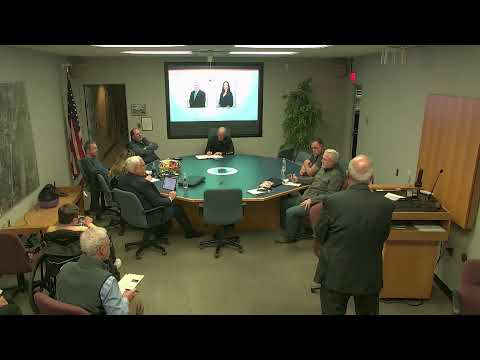
Jasmine Dancy, economic development administrator for the Downriver Community Conference, and John De Adana, the DCC’s Brownfield program manager, presented a multi‑phase brownfield strategy for the Jefferson Avenue riverfront corridor that centers on the Arkema properties in Riverview and Wyandotte.
Jasmine Dancy, economic development administrator for the Downriver Community Conference, and John De Adana, the DCC’s Brownfield program manager, presented a multi-phase brownfield strategy for the Jefferson Avenue riverfront corridor that centers on the Arkema properties in Riverview and Wyandotte.
Dancy said the DCC has been working on an Economic Development Administration (EDA) planning grant for several years and that the grant "goes through the end of this year." She told the council the planning work aims to convert community engagement and market analysis into implementable projects across five riverfront cities between River Rouge and Trenton.
The plan presented by DCC consultant teams — branded “Downriver Forward” — recommends treating the Arkema holdings as three distinct parcels (the brine field, the West plant and the East plant) and sequencing cleanup and redevelopment. "The brine field is perceived right now as being probably the cleanliest of the three properties," De Adana said. He described a phased approach that begins with remediation and private development on the West brine field and moves, over multiple phases, toward riverfront park and mixed uses on the East plant.
Why it matters: presenters said the corridor’s industrial closures created both contamination challenges and an unusual redevelopment opportunity. DCC emphasized public river access as a top priority raised repeatedly in local engagement: for Riverview, presenters said, residents "100%" identified more public access to the river as a priority.
Key numbers from the presentation (attributed to the consultant analysis and shown to the council): cleanup of the three parcels combined was estimated at about $34,700,000; the vertical (building) investment illustrated in the concept diagrams was $183,000,000; and the total modeled investment for the shown scheme was about $217,000,000. The team also estimated roughly 1,400 construction jobs during buildout and between about 1,490 and 3,390 permanent full‑time jobs across the modeled phases. The consultants projected approximately 1,190,000 square feet of new building space under the concept shown. Presenters also cited a tax‑revenue projection described on slides (a multi‑million dollar annual property‑tax increase at full buildout and tens of millions over 30 years), and said the precise phasing assumptions would determine the timing of those receipts.
Presenters and council members discussed constraints the team identified: contamination hotspots (the West plant was described as "the most contaminated of the three"), uncertainty about sediment staging on the East plant, stormwater and drainage issues tied to Huntington Creek, and potential wetlands or regulatory limits in portions of the parcels. De Adana noted limited data in places — for example, the West plant had an historic fire/explosion around 2000 and "we don't know the extent of those problems yet." He said parts of the East plant area adjacent to the river likely cannot support buildings and would be more suitable for public open space or habitat features.
On timing and next steps, De Adana said timeline depends on getting the land out of Arkema's control: "I would guess, five years once you get the property from Arkema," but he added that outcome would vary if transfer takes longer. To accelerate that transfer, the presenters said the Michigan land bank has offered to purchase the properties as an intermediary, working with EPA and EGLE and holding Arkema to specific tasks and timelines. The DCC said it is pursuing that track and working with Congresswoman Dingell's office and EPA contacts.
Funding sources and implementation: Dancy and De Adana said the study was funded in part by a 2022 EDA coal communities planning grant of $1,600,000 and matching funds from the Michigan State Treasury, Michigan State Housing Development Authority, and the Michigan Economic Development Corporation (MEDC). The DCC also said it has assessment and cleanup grant funding available through DCC and EPA programs to apply to early site actions where feasible.
Public and council comments at the meeting emphasized the corridor’s need to balance industrial jobs with public river access. One resident asked whether industry could coexist with riverfront amenities; De Adana and Dancy said parceling and setbacks could allow both industrial employment and riverfront recreation. Council members asked about wetlands, odors from a nearby wastewater treatment plant, and whether an entertainment complex shown near the treatment plant was appropriate; presenters said those site‑specific concerns would be incorporated into the final report and design revisions.
No formal action or vote was taken at this meeting. DCC said it will finalize the report after presentations to the other four city councils, and attendees were told the final, publicly available report and supporting data will be circulated to local officials in the coming months.
Presenters closed by asking for continued local feedback and promising follow‑up on specific questions (for example, impacts tied to the wastewater treatment plant and clarifying phasing assumptions and tax‑revenue timing). Jim Wagner, chair of the Brownfield consortium, summarized the tone around the table: "people are starting to look downriver."