Get Full Government Meeting Transcripts, Videos, & Alerts Forever!
Get email alerts on the Right Of Way Regulation topic
No spam. Unsubscribe anytime.
Riverview staff propose ordinance to require city review of installations in public rights-of-way
Summary
City staff told the Riverview City Council they will place a proposed amendment to the city code on a future agenda to require plans and permits for any utility or other installation in public rights-of-way, including county and state roads, to protect city infrastructure.
Riverview public works officials told the City Council they will place a proposed ordinance on a future agenda that would require utilities and contractors to submit plans and obtain a city permit before installing equipment in public rights-of-way, including county- and state-controlled roads.
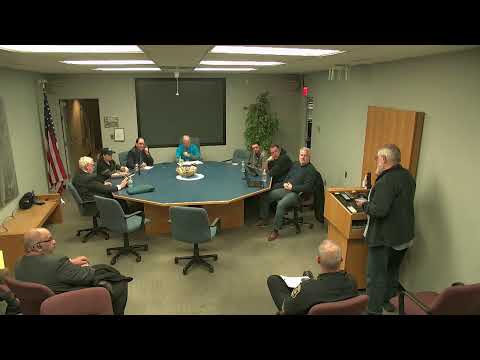
The policy change was presented during the council meeting by city staff and DPW Director Webb after a recent proposal from DTE to run new gas piping near a major city water main. Webb said the company told staff it had county and state permits and therefore did not need city approval; the city responded that it does require its own permit review. “They submitted plans. We reviewed them. We made sure that they are not interfering with our water mains, sanitary sewers, or storm sewers,” Webb said, and added the proposed ordinance would let the city “force that issue” by requiring plan submission and permitting for work in rights-of-way.
Why it matters: city officials said the proposed rule aims to protect the municipal water system and other buried infrastructure by ensuring separation between city mains and newly installed utility lines. Webb said the draft ordinance would require a minimum 10-foot separation from the city’s mains in new installations and allow staff to reject or require changes to plans that create conflict with city infrastructure. He cited a past water-main failure that cost the city about $180,000 to repair as a reason to avoid relying on post-incident fixes.
Council members asked for examples and clarification. Staff identified Fourth Street and Sibley Road as examples of state- and county-controlled corridors that nonetheless contain critical city infrastructure. Staff said the ordinance would apply whether a work area is on city, county or state right-of-way and would require those entities’ contractors to submit plans to the city for review.
The ordinance will be placed on a subsequent council agenda for formal consideration. At least one resident used the public-comment period to ask how the permitting exceptions in the draft would apply to private mailboxes placed in rights-of-way; staff said they would follow up on that point.
Discussion vs. decision: council did not vote on the ordinance at the meeting; staff presented the draft and council asked questions. The formal next step is placement on a future agenda for consideration and formal action.