
Council gives conditional consent to Santa Cruz Mountain Wine Improvement District; residents flag routing, traffic concerns
Get AI-powered insights, summaries, and transcripts
Subscribe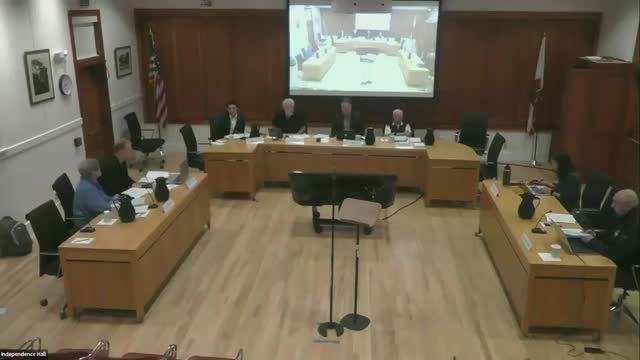
Summary
Council authorized consent for a Wine Improvement District (1% assessment) covering wineries in the Santa Cruz Mountain AVA. Supporters said the assessment will fund marketing and wayfinding; some residents raised concerns that routing or wayfinding could increase traffic on windy local roads such as Old La Honda Road.
The Woodside Town Council on Sept. 9 approved a resolution consenting to formation of a Santa Cruz Mountain Wine Improvement District that would impose a 1% assessment (modeled on other wine tourism districts) on qualifying wine sales and shipments to fund marketing, wayfinding and other AVA services.
Kelly Rankin, project manager with Civitas (the district’s consultant), told the council the formation followed a feasibility and petition process earlier this year; petition signatures from wineries inside the proposed boundary met the weighted‑signature threshold to proceed. Rankin said the assessment typically is passed through to retail customers and also applies to direct‑to‑consumer shipments and wine‑club mailings; wholesale sales are excluded.
The decision was not unanimous: the roll call recorded Council member Abarish — yes; Council member Brown — no; Vice Mayor Gold — yes; Mayor Domkowski — yes. The council also discussed public comments urging care in route planning and sign placement.
Several residents said they support winery commerce but asked for strong public input on wayfinding and routing so that tourist traffic is not directed onto narrow, winding, residential roads. Resident Virginia Dare told the council she enjoyed the wine‑trail experience but warned that “wine tasting and Old La Honda Road are not compatible.” She asked that the district and its board engage the public when designing wayfinding or suggested travel routes.
Rankin said once the district is formed the district’s board will be subject to the Brown Act and its meetings will be public, providing formal opportunities for community input on projects such as signage and wayfinding.
Why it matters: The district is aimed at boosting regional wine tourism and supporting small wineries, but residents warned the town and board to avoid routing or signage that could increase traffic on narrow, winding local roads.
What’s next: The district formation moves forward under county procedures; town staff and residents said they will monitor the district’s public board meetings for proposed wayfinding or traffic‑related projects and engage Caltrans or county authorities as needed.