Get Full Government Meeting Transcripts, Videos, & Alerts Forever!
Get email alerts on the Library Programs topic
No spam. Unsubscribe anytime.
Pleasanton library outlines FY25–26 program plan; staff scales events after hours and staffing cuts
Summary
Library staff presented a revised FY25–26 program plan Sept. 4 that preserves core offerings while scaling or pausing some events because of reduced hours (62 to 48 weekly) and lower staffing. Commissioners praised outreach but asked for more marketing and a return visit on procedures and program metrics.
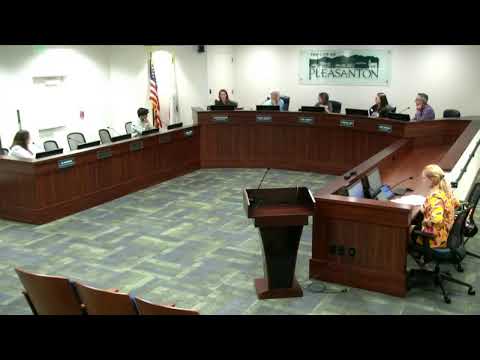
Library staff presented a revised FY25–26 Pleasanton Public Library program plan at the commission’s Sept. 4 meeting, describing adjustments made after the library reduced open hours from 62 to 48 per week and cut staffing.
The plan preserves large recurring events such as the summer reading program, cultural celebrations (Dia de los Muertos, Diwali, Lunar New Year, Juneteenth and Black History Month) and established partnerships such as the Stoneridge Creek literacy tutoring program. Staff said some standalone adult and teen special events will be paused for the year, field-trip story times will not be staff-led this academic year, and several programs were rescheduled or scaled to match available staffing and facility use.
Staff said the changes were intended to balance resources while preserving high-demand offerings. “The library's new hours going from 62 hours a week to 48, with reduced staffing levels,” was a primary driver of the adjustments, a staff presenter said. Staff highlighted program data including an estimate that Booklegger classroom visits serve about 5,000 students annually, Paws to Read is offered roughly 18 times a year, and the grant-funded Literacy & ESL program recorded 2,201 participants in counted classes (not including one-on-one tutoring sessions).
Several program-level changes were described in detail: - Teen zone: shortened from 3–5 p.m. to 3–4 p.m. based on usage patterns and staffing needs; staff said most students left by the middle of the 4 p.m. hour, reducing the benefit of staffing a full two-hour block. - Sensory story time: planned to relaunch in January because the low-sensory format requires a quiet time and additional facility/staff planning. - Field trips: staff will continue to welcome school visits but will not offer staff-led story times during the academic year because of overlapping morning story time schedules. - Special adult and teen one-off events: several were moved to summer-only offerings or paused to conserve staff capacity.
Staff also described marketing and outreach plans designed to maintain visibility: a returning bus wrap, bilingual flyers, enhanced web event listings, social media and targeted advertising (including Spotify). Commissioners recommended strengthening school outreach and community partnerships, and suggested using Zippy (the library outreach vehicle) as a persistent visual advertisement when possible.
Commissioners praised library staff for preserving many services despite budget constraints. Commissioner Joshi highlighted attendance increases across age groups and asked for clarification on the teen zone reduction; staff explained the change was driven by both attendance patterns and the need to maintain service desk coverage during peak hours.
There was no formal vote on the program plan; staff said the program calendar will return monthly to commission and that staff will continue to refine outreach and operational details. Commissioners asked staff to bring back a program/procedures report later for more detailed review.