Lorraine staff back ordinance to allow permanently sited manufactured homes; tiny-home, shipping-container rules under review
Loading...
Summary
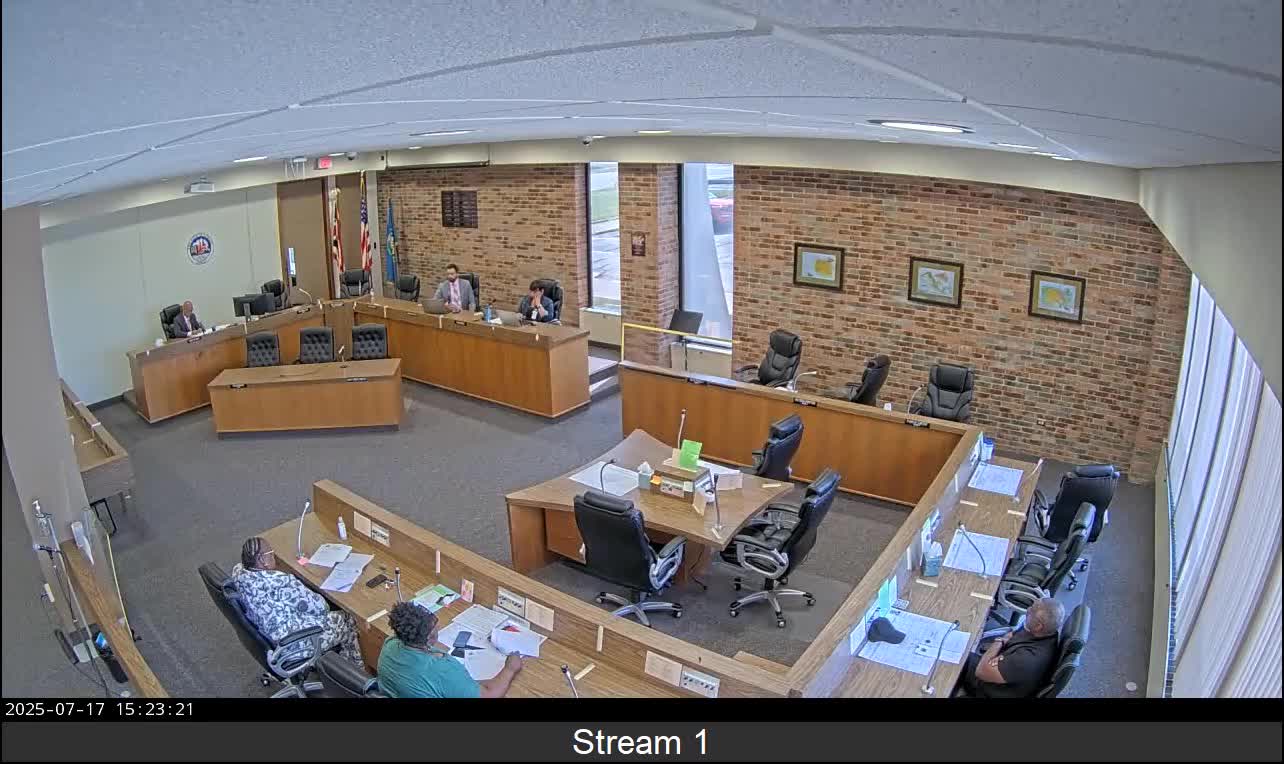
City planning and housing staff told the commission July 17 that an ordinance to allow permanently sited manufactured homes in single‑family districts is before city council, and the department is researching tiny-home communities, shipping-container conversions and how vacant lots could be used to expand housing supply.
City of Lorraine building, housing and planning staff told the Housing and Planning Commission on July 17 that an ordinance is before city council to allow permanently sited manufactured homes in the same residential districts that now permit single‑family houses, and that the planning department is separately studying tiny homes and shipping‑container conversions as additional housing options.
The proposal matters because staff say the city faces a documented housing shortage that includes needs for senior, market‑rate and affordable units. "The Ohio Revised Code requires that municipalities allow permanently cited manufactured homes in any district that allows a single family dwelling," said Evelyse, a planning and zoning staff member. Matt Kuzhauer, the city's building, housing and planning director, described manufactured homes as factory‑built units that are delivered to a foundation and can be quicker and less weather‑sensitive to construct than site‑built houses.
Staff presented the practical and regulatory limits they are weighing. Evelyse said tiny homes are constrained by model codes: "The International Building Code has the maximum dimensions for a tiny home is 400 square feet," she said, and noted the city’s current draft standard for permanently sited manufactured homes would set a 900‑square‑foot minimum. The department told the commission shipping containers are not currently permitted as accessory structures and would need design and quality standards if they were allowed.
Planning and zoning changes would be implemented through the zoning code, which staff called a city ordinance. Staff told commissioners the draft would allow permanently sited manufactured homes in R‑1 (a, b and c) and R‑2 districts — the same districts that permit single‑family dwellings — but the proposal must still navigate planning commission hearings and council action. Evelyse described the legislative timeline and public‑notice steps: a planning commission recommendation, at least one planning commission public hearing, at least one city council public hearing, advertising in the paper (staff cited a 30‑day notice requirement for council), and a 30‑day appeal period for non‑emergency legislative changes; the full process can take "three to six months," she said.
Zoning and building‑code specifics staff mentioned include minimum lot and setback requirements. Staff said a typical R‑2 lot standard is 50 feet by 120 feet (about 6,000 square feet); front/rear setback standards referenced by staff are 20 feet/25 feet and side yards of 5 feet. Staff also said the code currently limits one principal dwelling per parcel; multiple principal dwellings on a single lot would require code changes.
On site availability, Kuzhauer told the commission the city controls roughly "between 50 and 80" vacant lots and estimated the land bank controls about 100 more, for a total in the range of 150 to 180 vacant parcels. He said the city plans to package multiple parcels into a request for proposals tied to the Soberworks project later this year and next to make larger redevelopment parcels available to developers. "If it was up to me, I would give away every single vacant lot that the city has," Kuzhauer said, arguing that many vacant parcels are costly to maintain.
Staff said inspections and enforcement capacity are limited: the department has three dedicated housing inspectors plus trade inspectors and reported more than 650 high‑grass postings since late May. Enforcement options described include administrative search warrants for unsafe buildings, housing court cases, and referrals to the demolition board of appeals.
Commissioners and members of the public asked about who could develop tiny‑home communities, how homeowner‑property values might be affected, whether developers must be local and how many tiny homes could fit on a lot. Staff answered that the city may regulate lot size, setbacks, building dimensions and lot coverage but cannot restrict who may buy property by residency; staff also said any rules opened to one group (for example, to house people experiencing homelessness) would legally be open to all residents.
The draft ordinance for permanently sited manufactured homes remains pending before city council; staff said any changes to the zoning code will proceed through public hearings and possible map amendments. Planning staff encouraged public input during the planning commission and council hearings once the measures are formally scheduled.