Get Full Government Meeting Transcripts, Videos, & Alerts Forever!
Get email alerts on the Infrastructure Sewers topic
No spam. Unsubscribe anytime.
Lorain advisory board urges program to disconnect foundation footer tiles from sanitary sewers
Summary
A Lorain utilities advisory board voted unanimously to recommend a program to disconnect foundation (footer) tile drains from the city sanitary sewer system and asked the Department of Housing and Planning to consider housing-rehab financing for households that experienced sewer backups.
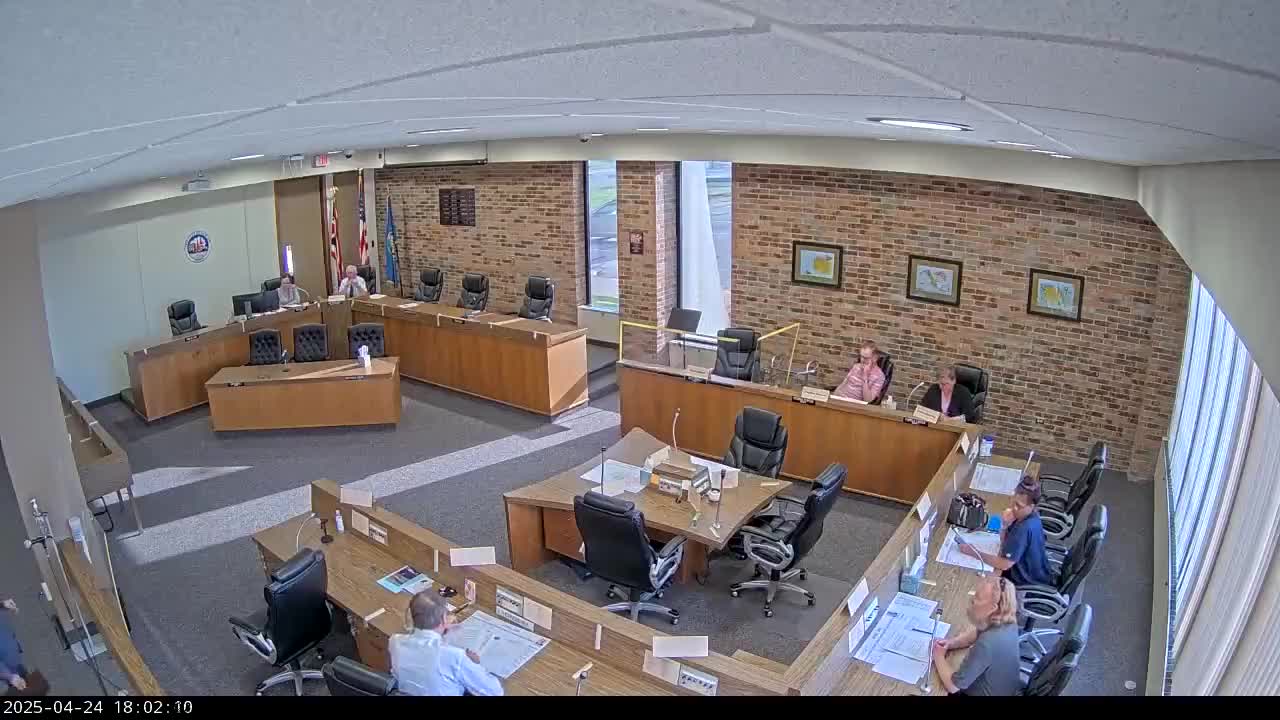
The Lorain SWAB (utilities advisory) board voted unanimously to recommend the city adopt a program to eliminate connections of foundation footer tile drains into the sanitary sewer system, citing those connections as a major cause of basement backups and sewer overloads.
The board said the proposal mirrors a 2006 plan on file with the city engineer and asked the city to carry it out now. Chair Pat McGannan said the city has relined sewers and fixed manholes but “haven’t really addressed the footer tile issue,” and the report asks the city to remove those connections or otherwise prevent footer tiles from flowing into the sanitary sewer.
The recommendation includes asking the Department of Housing and Planning to examine whether existing housing-rehab loan or grant programs could help eligible households pay to disconnect footer tiles. Board members noted a service-office staffer earlier suggested housing-rehab funding might be used for targeted assistance for residents who can document basement backups caused by sanitary-sewer overloads.
Resident Gerald Phillips, speaking for Lorain Citizens for Fair Water and Sewer Bills, cited the existence of prior engineering proposals and urged use of the city’s records: “I contacted the water department recently ... they supposedly have a form that a tenant can fill out, but I haven’t gotten it,” he said, urging the city to make forms and program details publicly available.
The board formally moved to accept the footer-tile section of its preliminary report; the motion passed unanimously. The report language calls for the city engineer to review technical feasibility and for administration to explore targeted housing-rehab financing for households with documented backups. The board recorded the 2006 engineer-file proposal as background for the recommendation.
The board did not adopt an implementation timetable. It left follow-up tasks — including which department will administer any homeowner assistance and how eligibility would be determined — to later administrative action, and it did not specify dollar amounts for grants or loans.
The item drew no opposing votes; the board plans to include its recommendation in the publicly filed SWAB report to city council and to ask that the relevant departments consider the engineering review and potential program changes.
The board’s report and the 2006 file in the city engineer’s office are the primary documentary references for this recommendation. The report does not cite a controlling ordinance or statute for city action; it asks administrative and engineering review and potential program design.