
Residents, council press city for faster fixes after repeated South Lorain flooding
Get AI-powered insights, summaries, and transcripts
Subscribe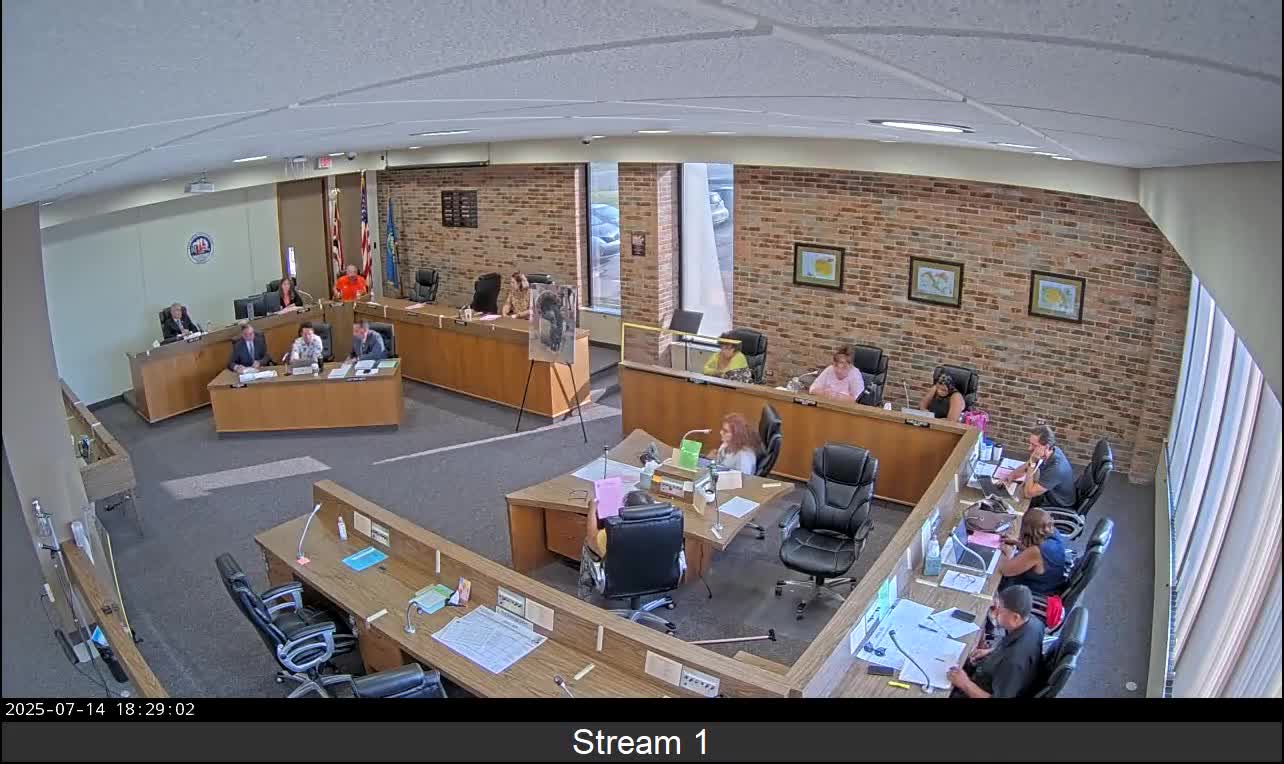
Summary
After repeated rain events and several recent floods, residents and council members urged a mix of more aggressive maintenance, targeted capital work and pilot homeowner programs; city staff described catch‑basin cleaning rotations, CityWorks tracking and long‑term capacity limits on storm design.
Residents and council members pressed city staff at a committee meeting to accelerate work after repeated street and basement flooding in South Lorain and other older neighborhoods.
Residents described repeated basement damage and high cleanup costs, saying some homes flood on modest rainfall and that longtime problems have not been solved. Several residents and council members said debris, grass clippings and grease clog catch basins and that localized cleaning ahead of storms reduced repeat flooding in targeted areas.
City engineers and the utilities director described current and planned work: a memo documenting the June 17 storm and rain‑gauge data, a CityWorks asset‑management record of hundreds of closed sewer work orders since 2023, and annual EPA reports that list CCTV inspections, repairs and catch‑basin work. The department said catch basins are cleaned on a roughly four‑to‑five‑year rotational basis, with more frequent attention to known problem areas; crews pre‑position and target “hot spots” before forecast storms.
Officials said many of the recent capital investments in South Lorain focused on sanitary sewer lining and water distribution — work intended to reduce infiltration and inflow (I&I) that causes sanitary backup into basements. The director said the city will issue an RFP for a new SSES this year so engineers can target the next round of lining and capacity work. City engineering and the director noted legal and economic constraints: storm systems are generally sized to a 10‑year storm per engineering practice, and retrofitting older neighborhoods (adding detention basins or larger storm mains) is costly and may produce only modest incremental benefits in some watersheds.
Council members and residents asked the city to: provide a clearer schedule for cleaning and repairs in specific streets; evaluate whether certain small infrastructure additions (for example additional curb inlets) could stop recurring street flooding at specific intersections; and examine financing or grants to help homeowners with private fixes such as sump pumps, check valves or disconnecting footer tiles. Administration and several council members also discussed pilot programs such as a dry‑basement loan program or a round‑up donation option on bills to fund affordability measures.
Why it matters: Repeated flooding is causing property damage and distress in older neighborhoods; residents sought immediate maintenance and a clear plan for capital work. Officials said some progress has been made but emphasized limits: some older neighborhoods were designed to convey and hold water; full infrastructure upgrades are expensive and require project prioritization.
Follow up: Administration said it will direct more assessment resources to problem areas, continue CityWorks tracking and return with targeted repair schedules and cost estimates. No council vote or formal funding decision occurred at the meeting.