Get Full Government Meeting Transcripts, Videos, & Alerts Forever!
Get email alerts on the Governance topic
No spam. Unsubscribe anytime.
Board tables repeal of Rule 170 after lengthy debate over work-team structure
Summary
Board members debated whether to repeal Board Rule 170 (which assigns two-member work teams and specifies pre-meeting coordination). After extended discussion, a motion to table repeal passed; board asked staff to craft a replacement approach for upcoming meetings.
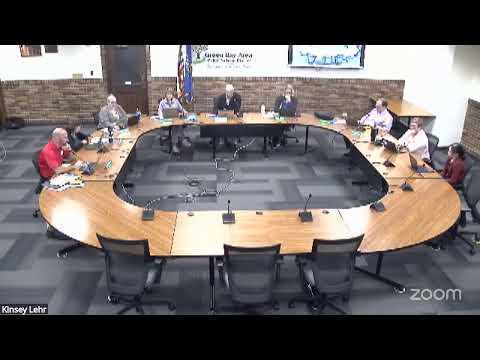
Board members on Aug. 25 engaged in an extended debate over Board Rule 170, which assigns two-member work teams to prepare parts of the agenda and meet with the superintendent prior to meetings. A motion to repeal the rule was brought by board member Lynn, who argued the rule misleads the public about committee work and “adds no value.” Lynn said the rule, adopted in February 2002 and revised multiple times since, “suggests a level of analysis and deliberation that is not happening and doesn't need to happen.” She said the rule creates expectations of behind-the-scenes committees that do not meet regularly. Board member Andrew defended the rule’s intent to distribute leadership and said its removal would concentrate meeting control with the president. “It is the only opportunity some people will ever have to lead part of a meeting,” he said. Other members described trade-offs between clarity for the public and guaranteeing distributed leadership opportunities for board members. After further discussion, Andrew moved to table the repeal with the expectation that the board would return with a replacement policy that retains distributed or rotating leadership in work sessions. The motion to table carried, with the recorded votes showing at least one dissent; the chair asked staff to expedite crafting a replacement and suggested revisiting the topic at the next work session. Why it matters: Rule 170 governs how board meeting time is prepared and how members participate in pre-meeting work; changes affect transparency and the distribution of meeting leadership. The board did not take final action to repeal Rule 170. The tabling action requires staff and board members to develop a new approach, balancing public clarity and opportunities for members to lead portions of meetings. Members who supported retaining a structure emphasized continuity and the value of rotating leadership; those favoring repeal stressed the rule’s misleading implications and scheduling constraints.