Get Full Government Meeting Transcripts, Videos, & Alerts Forever!
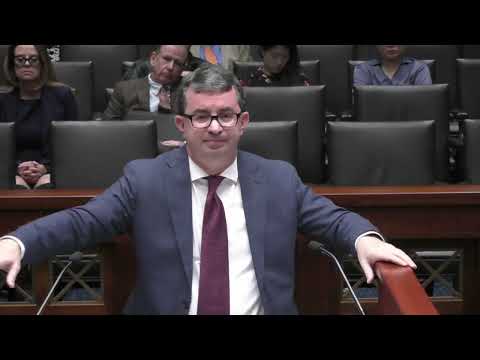
Texas Supreme Court hears case over when local economic-development deals run afoul of the constitution
Summary
The Texas Supreme Court on [date of argument] heard argument in JPMorgan Chase Bank v. City of Corsicana and Navarro County over whether Article 3, Section 52-a of the Texas Constitution allows local governments to make periodic, sales-tax–linked payments for economic development without satisfying longstanding gift-clause controls.
The Texas Supreme Court on [date of argument] heard argument in JPMorgan Chase Bank v. City of Corsicana and Navarro County over whether a 1987 constitutional provision authorizing economic-development programs, Article 3, Section 52-a, displaces longstanding gift-clause limits on grants and requires courts to apply the older "controls" analysis when public money is paid to private entities.
At issue is whether Corsicana and Navarro County’s agreements to redirect sales tax revenue to support construction and financing of a retail development (including the Gander Mountain facility) were constitutional under Section 52-a or whether the deals lacked sufficient contractual controls and thus violated the gift clauses of the Texas Constitution. The contracts tied payments to sales tax generated by the retail facility and surrounding development; counsel said one participant obtained a $10,000,000 construction loan and quarterly reports were required to be provided to the jurisdictions.
The question matters because a ruling for the petitioner could limit local governments’ ability to rely on Section 52-a to structure economic-development incentives and could revive stricter judicial review of such agreements. Petitioners argued the court should protect contractual and vested rights and read Section 52-a narrowly; respondents and the state urged deference to legislative and local determinations of public purpose while preserving established controls to protect taxpayers.
Petitioner's counsel argued Section 52-a is a specific constitutional authorization for economic-development programs but said courts must still ask whether a particular arrangement satisfies any continuing constraints that prevent gratuitous transfers. "One of the reasons Texas is known as a business friendly state is that the Texas constitution and statutes expressly authorize cities and counties to grant public money to companies for economic development," counsel for…
Already have an account? Log in
Subscribe to keep reading
Unlock the rest of this article — and every article on Citizen Portal.
- Unlimited articles
- AI-powered breakdowns of topics, speakers, decisions, and budgets
- Instant alerts when your location has a new meeting
- Follow topics and more locations
- 1,000 AI Insights / month, plus AI Chat