Get email alerts on the Hangar Development topic
No spam. Unsubscribe anytime.
Commission explores hangar development: leases, RFPs and funding options discussed
Summary
Commission members discussed promoting hangar development (10‑pack/6‑pack concepts), examining leasing terms (20–30 year leases, renewables), and pursuing infrastructure funding so private builders will invest. Staff to share lease terms and a commissioner volunteered to contact interested parties.
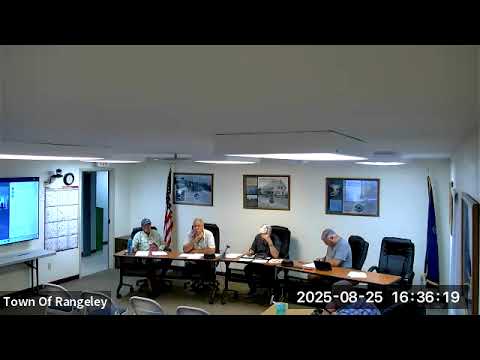
Commission members and airport staff discussed concepts to promote additional hangar development west of the existing conventional hangars, including conceptual 10‑pack and 6‑pack layouts. Joe, an airport staff member, summarized prior planning and said a placeholder for hangar development existed later in the CIP; he recommended pursuing outside help from Stantec to scope the work.
Commissioners and participants discussed how to attract private investment. Options included issuing an RFP for shovel-ready lots with 20‑ or 30‑year ground leases (several speakers said a 20‑year term can be difficult for private builders to recoup costs and that 20‑year leases in the past were often renewed). One participant said prevailing wage rules in some states can approximately double construction costs, increasing the financial burden on private developers.
Participants recalled the last hangar project produced a 10‑pack and that two developers backed out during construction; one participant said hangars have sold for about $165,000 in the past. Several people emphasized that private investment is more likely if infrastructure (taxiway, power, apron) is made shovel-ready, and that the commission should pursue AIP/state grants and include the infrastructure in the CIP.
Practical next steps were identified: Ed volunteered to contact the individuals on Joe’s interest list to gauge whether a group could form (for example, an LLC) and to assess capital commitment. Joe agreed to provide a redacted copy of a standard ground lease for prospective builders. A commissioner proposed the town focus on funding the necessary site infrastructure so private parties build the hangars themselves. No formal motion or vote was taken; the items were recorded as directions for staff and volunteers.
Why this matters: hangar availability affects the airport’s ability to attract based aircraft, generate private investment and increase fuel and landing activity; infrastructure decisions affect town budget planning and grant applications.
No final financial commitment or formal town-funded hangar construction was proposed during the meeting. Instead, the commission described a path of combining grant-funded infrastructure work and private construction under long-term leases, subject to future board approvals.
AI generated
The text on this page is AI generated. Summaries, highlights, analysis, and video transcripts are all produced from the original source material.
AI can make mistakes, so if you spot one, and we will fix it for everyone.
Note: the source content is unaltered by us. Any content source we link to, be it a video, an audio recording, or a document, is presented exactly as its publisher released it. That publisher is usually a government body, sometimes an individual official or another organisation.