Get Full Government Meeting Transcripts, Videos, & Alerts Forever!
Get email alerts on the Strategic Dashboard Attendance topic
No spam. Unsubscribe anytime.
Superintendent unveils updated strategic dashboard as board flags chronic absenteeism and equity gaps
Summary
District leaders presented an expanded strategic dashboard and annual goals update highlighting chronic absenteeism that has not returned to pre-pandemic levels, advanced-coursework participation, restorative-practices training, and steps to expand MTSS and special-education inclusivity.
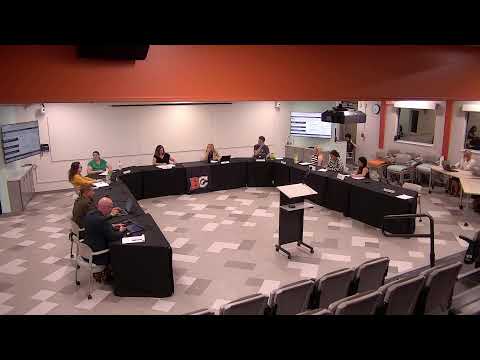
Superintendent Jody Monroe and district data lead Dave demonstrated an updated strategic dashboard and reviewed annual goals, telling the board that chronic absenteeism remains elevated since the pandemic and that the district is pursuing targeted supports and expanded monitoring.
Jody said the district will continue work on four strategic pillars (academics, character, community and wellness) and listed action steps including expanded restorative-practices training (K—2), student-led equity assemblies, and added reading support at Hamagrel and Ellesmere. She said one recent staffing addition —1 a reading teacher approved in spring —1 is providing extra support at both Hamagrel and Ellesmere.
Dave, who built the dashboard, demonstrated how viewers can toggle indicators and called attention to updated measures under academics and special education. He said the district now reports that 94% of graduates take at least one college-level course (AP, dual credit or CTE credential), and that AP-only participation is about 65%. The superintendent and data staff framed a goal of increasing access to advanced coursework to 100% by removing barriers and adding supports.
Board members pressed on absenteeism and equity: Jody noted that chronic absenteeism is defined as missing 10% or more of the school year, that elementary chronic-absence rates have roughly doubled since the pandemic, and that high-school chronic absenteeism is about 14%. She said a larger percentage is at risk when students just below the threshold are included, and that those students are disproportionately economically disadvantaged, English learners, or students with disabilities. The district plans to expand its MTSS (multi-tiered system of supports) and attendance interventions and to develop more systematic outreach, including home visits, mentoring, and targeted programming.
On advanced-coursework access, board members asked about barriers such as preparation gaps and exam fees. Jody said the district will investigate supports including pre-course interventions, writing labs and assistance for families needing fee support; staff noted families can request assistance for AP and SAT fees but that universal free meals may reduce the incentive for families to file free/reduced applications that make some supports easier to identify.
No formal votes were taken on goals or dashboard content. Staff said the dashboard is available on the district strategic-plan page and will be pushed to district Chromebooks and staff bookmarks; staff asked board members for ongoing feedback about indicators to keep the dashboard useful and not cluttered.