Get Full Government Meeting Transcripts, Videos, & Alerts Forever!
Get email alerts on the Housing topic
No spam. Unsubscribe anytime.
Lorain holds public hearing on draft 2025–29 CDBG/HOME plan; estimates $2.18 million for 2025
Summary
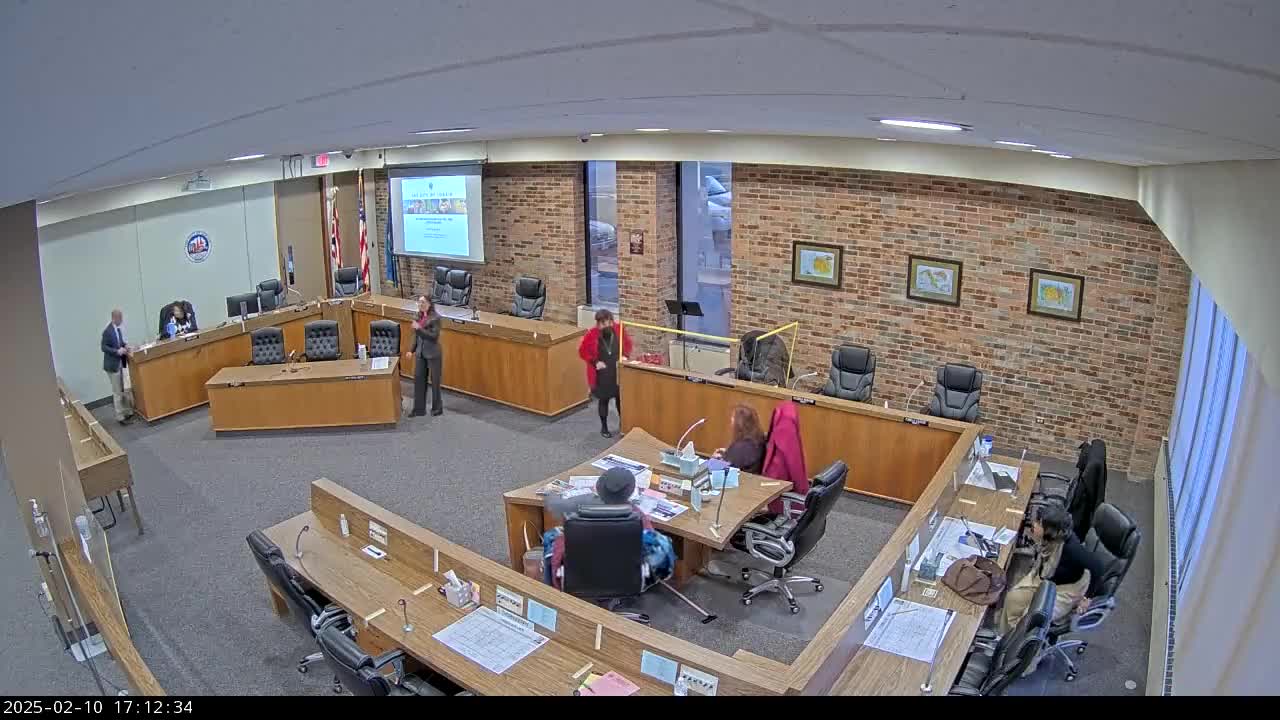
City of Lorain staff held a public hearing on the draft 2025–2029 Consolidated Plan and the 2025 Annual Action Plan, outlining how the city would spend anticipated Community Development Block Grant (CDBG) and HOME funds for fiscal 2025.
City of Lorain staff held a public hearing on the draft 2025–2029 Consolidated Plan and the 2025 Annual Action Plan, outlining how the city would spend anticipated Community Development Block Grant (CDBG) and HOME Investment Partnership (HOME) funds for fiscal 2025. Staff presented an estimated allocation of $1,575,000 in CDBG and $600,000 in HOME funds for 2025, for a combined draft budget of about $2,175,000.
The consolidated-plan process incorporates a year of outreach: an online survey with 129 unduplicated responses, three planning workshops (at Lorain High School and two library branches), and consultant reports including a comprehensive housing strategy and a fair-housing impediment study. Those inputs informed priorities such as preserving affordable housing, owner-occupied repairs, demolition of blighted properties, permanent supportive housing, public utilities and senior services.
“HUD is supposed to do that allocation announcement at the beginning of every year. It is February 10, and we still don’t have one,” said Matt Kuresnar, director of Building, Housing and Planning, explaining that the city’s 2025 budget numbers are estimates based on recent allocations. Kuresnar told the council that the city will submit its action plan after HUD issues its official allocation; if the actual allocation differs by more than 10 percent the city will return with an amended budget.
Staff outlined proposed 2025 set‑asides and programs: approximately $315,000 for administration; continued funding for a homeowner rehabilitation program (projects capped at $75,000 each); a proposed 360 business loan program (staff later said $250,000 would be set aside for that program overall, with typical caps); about $110,000 for clearance and demolition; funding for Longfellow Skate Park and other public‑facility or streetscape improvements; emergency service funds and housing counseling; and HOME program administration of $60,000. Staff also described a planned down‑payment assistance program that would provide up to $14,999 per household and would be tied to a residency requirement designed to avoid longer monitoring obligations triggered at $15,000 or above.
Eligibility and program rules were a focus of council and public questions. Staff reiterated that CDBG/HOME programs are income‑restricted: households must generally be at or below 80 percent of area median income (AMI) to qualify, and many city programs prioritize lower thresholds or owner‑occupied properties. “In order to qualify for any of these programs, the household or the family or the individual has to be below 80% area median income,” said an unidentified program staff member. Staff confirmed that assistance for owner‑occupied rehabilitation typically carries a lien or mortgage to ensure compliance with residency and insurance requirements while the deferred or low‑interest assistance remains outstanding.
Council members and residents raised practical concerns: rising construction costs, the availability of application materials in community locations, whether middle‑income “house‑poor” households have options, and how tax assessments and future property taxes interact with home improvements. Councilwoman Henley asked whether the plan reflects current construction cost inflation, saying: “The costs have gone up so dramatically that I have concerns on that if there’s enough funding allocated.” Staff pointed to the city’s use of public‑properties department oversight and to tax‑abatement programs that can delay tax increases tied to improvements.
On program design, staff said the down‑payment assistance would likely be a low‑interest or partially deferred loan, with terms still being decided. The $14,999 cap is intentional: “Once you jump up to a $15,000 or more subsidy, that triggers a 10‑year homeownership requirement,” Kuresnar said, explaining why the city prefers a smaller subsidy that carries a five‑year residency requirement instead.
Residents and nonprofit representatives asked about next steps and timelines. Staff said materials are available at public libraries and online and that the next public hearing is scheduled “on the seventeenth at 05:30.” Staff also asked residents to advocate with federal representatives because HUD funding levels remain subject to federal decisions; Kuresnar urged letters to members of Congress to protect HUD programs in appropriations decisions.
No formal council vote was recorded during the hearing; the meeting was a required public comment step in the consolidated‑plan process. Staff said they will finalize a draft based on input and submit the action plan after HUD’s official allocation announcement, and will return to council if adjustments are needed.
The public hearing covered program priorities, eligibility limits and administrative details rather than final awards. Residents seeking program assistance were directed to the city’s Building, Housing & Planning office and partner counseling agencies noted in the presentation.