
Committee hears confusion over ATV, motorcycle and vehicle sales-tax sourcing, titling and county treasurer roles
Get AI-powered insights, summaries, and transcripts
Subscribe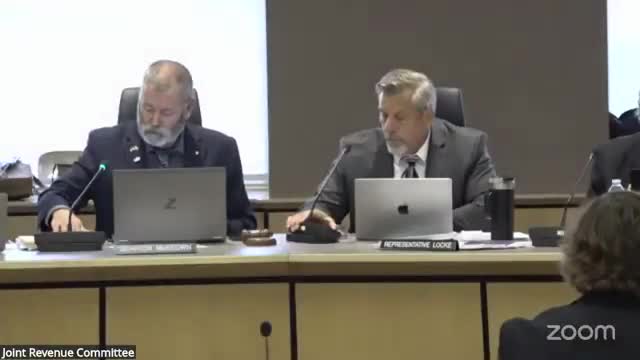
Summary
Department of Revenue staff told lawmakers that titled motor vehicles are taxed where the owner lives and handled by county treasurers, while motorcycles, mopeds and off‑road vehicles are taxed at the place the buyer takes possession and the vendor generally collects the tax.
The Revenue Committee heard a briefing and lengthy discussion on the tax treatment of motor vehicles versus vehicles such as ATVs, motorcycles and off‑road recreational vehicles.
Director Brett Fanning explained Wyoming’s statutory sourcing rules. "Motor vehicles are sourced to where the owner lives and sales and use tax on titled motor vehicles is collected by county treasurers," he said. In contrast, he said, mopeds, motorcycles and off‑road recreational vehicles are taxed at the point where a customer takes possession and vendors are responsible for collecting that tax.
The distinction matters in common scenarios lawmakers described: a resident might buy a motorcycle while at an out‑of‑state rally and pay that state’s sales tax, or buy from a vendor inside Wyoming but outside their home city; depending on where the purchaser takes possession and whether the vendor collected tax, the local distribution of proceeds can shift between counties.
Lawmakers raised practical problems the committee has seen: a constituent’s bill of sale for $10,000 lodged at the county clerk’s office but the county assessed value at $18,000; instances where online vendors apply municipal-option rates by ZIP code rather than municipal boundary; and situations where tribal members receive improper tax charges because an exemption certificate is not on file with a retailer. Fanning described the department’s refund and correction processes: customers should first seek refund from the vendor; if necessary the department will help bridge to large online retailers or process county-treasurer refund claims and, if denied, taxpayers may appeal to the Wyoming State Board of Equalization.
Dixie Huxtable, Converse County assessor, told the committee how assessors value renewable energy equipment: equipment and plant are taxable; initial valuations commonly use a cost approach until income or market data become available and over time assessors reconcile income approaches into the valuation.
What the committee asked for: lawmakers asked the department to clarify statutory sourcing rules in writing and to produce guidance for vendors and county treasurers to reduce errors and improve the vendor refund pathway. Fanning agreed to provide additional guidance and to help constituents and local officials seeking refunds or corrections.
Context and limits: The discussion did not change law. Committee members acknowledged titling and exemption questions can be complex and requested clearer written guidance from the Department of Revenue and follow-up on high-profile constituent cases.