Get Full Government Meeting Transcripts, Videos, & Alerts Forever!
Get email alerts on the Budget FY2026 topic
No spam. Unsubscribe anytime.
Huntley District Presents FY2026 display draft budget with $432,000 operating shortfall; board debates tax abatement timing
Summary
District financial officer presented a display draft of the FY2026 budget showing a $432,000 projected operating deficit after state funding reductions, transportation reimbursement cuts and higher health‑insurance costs; board members debated whether to include a property‑tax abatement now or revisit it later.
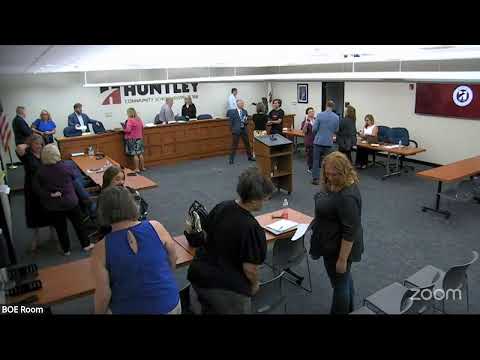
Huntley Community School District 158 officials presented a display draft of the FY2026 budget on Aug. 21, saying recent state funding changes and rising costs have pushed the operating budget into a deficit. Financial officer/treasurer Mister O'Connor told the board the district’s operating revenues are budgeted at about $139.3 million and expenses at $139.7 million, “bringing our operating deficit, unfortunately, to about $432,000.”
The presentation framed the shortfall around three material changes: a reduction in evidence‑based state funding after the district moved from Tier 1 to Tier 2; a lower state transportation reimbursement caused by smaller prior‑year claims; and increased benefit costs, especially health insurance. The presenter described one offset: preliminary county reports showing roughly $45 million in new construction that will add $615,000 to next year’s levy revenue (only half is recognized in FY2026).
Why it matters: the district’s five‑year projection shows the fund balance falling from near‑policy levels in FY2026 to a notably lower percentage in later years, increasing pressure on trustees to find recurring savings or change revenue assumptions.
Board debate centered on whether to keep a previously planned property‑tax abatement in the draft. The abatement, which would reduce taxpayers’ bills if approved, is recorded in the bond and interest (debt service) fund and does not change the operating deficit. Several trustees urged delaying the abatement decision until more actuals are available; one trustee asked administration to remove the $7.50 abatement figure from the draft and revisit it later in the levy season. Another trustee argued for keeping the abatement and finding additional cuts.
Administrators outlined near‑term decisions to narrow the gap: postponing a high‑cost science curriculum adoption (about $400,000), trimming conservative operations line items including snow removal, and pursuing savings from salary reconciliations as recent retirements and new hires affect payroll. The district also increased its health‑insurance reserve assumptions to cover an anticipated 14% increase in costs, and said health‑plan design changes are under review with the district broker and the health‑insurance committee.
No final budget vote occurred. Administration will present an adjusted draft at the September hearing; the board directed staff to continue searching for recurring savings and to return with updated numbers before any abatement resolution is finalized.
Ending: The board asked staff to return with updated financials in September and to discuss the abatement formally during the levy cycle (November–February) so trustees have more complete data before making a levy/abatement decision.