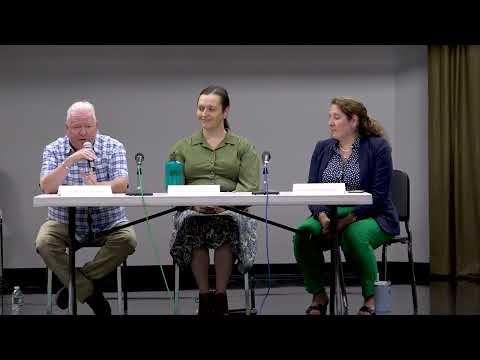
Candidates urge layered approach to coastal flooding and resilience; local projects and state help needed
Loading...
Summary
Forum candidates discussed rising tides and flooding near Derby Street and the North River, supported coastal resilience tools such as overlay districts and living shorelines, and called for state collaboration and neighborhood initiatives.
Ward 6 candidates told voters the city must pair regional cooperation with local, low-cost measures to respond to more frequent flooding and higher tides.
Caitlin Halapa said Salem has adopted climate-oriented codes and a coastal resiliency overlay district that raises building elevations in flood-prone areas, and she urged continued state collaboration while expanding living shoreline work. "The city has started to do some work on this from a policy perspective... we've also adopted a coastal resiliency overlay district," Halapa said, and highlighted Collins Cove living-shoreline work as an example.
Marlene Warner emphasized careful permitting for developments near tide-prone areas and warned about building too close to the water. "When these developers are starting to do that, they gotta take that into consideration, even the city when they're giving permits down there," she said, recounting higher tides along Derby Street.
Robert K. Meyer cited observed high-tide flooding near Derby Street and the North River and urged regional shelters and programs for vulnerable people affected by climate and related social challenges, but offered no specific capital plan.
Candidates agreed resilience will be expensive and requires multiple layers: infrastructure investments, regional coordination and neighborhood outreach on water storage and energy efficiency. They also suggested small local steps such as rainwater capture contests and public education to reduce overall water use.
Ending: Candidates recommended combining state-funded capital projects with local, low-cost community resilience efforts while continuing joint planning with neighboring towns and the state.