Get Full Government Meeting Transcripts, Videos, & Alerts Forever!
Get email alerts on the Homelessness topic
No spam. Unsubscribe anytime.
Salem candidates urge more services, regional coordination after encampment concerns
Summary
Candidates at a League of Women Voters forum agreed Salem needs more shelter capacity, outreach and regional cooperation to address unsheltered encampments, while differing on enforcement and city responsibility.
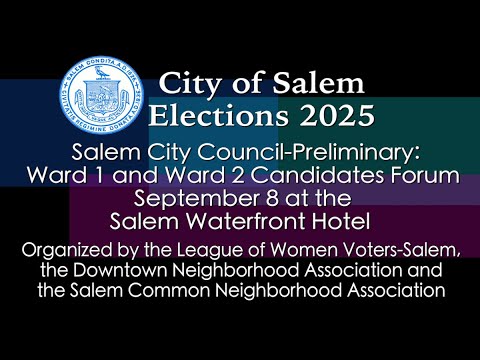
At a Sept. forum hosted by the League of Women Voters Salem, Ward 1 and Ward 2 city council candidates discussed responses to unsheltered encampments and residents who refuse assistance, calling for more services, outreach and regional cooperation. Cindy Jerslow, the Ward 1 incumbent, said she supported the city’s public camping ordinance and described an encampment she addressed as “unsafe, unsanitary with reports of drug activity, human waste, hypodermic needles,” adding, “This was a necessary first step to connect people with shelters and treatment programs.”
Several candidates called for a “housing first” approach coupled with increased mental health and addiction services. Erin Jaroski urged support for existing providers, saying she had toured LifeBridge and asked the organization to “provide more outreach to people who aren't yet housed.” Andrew Smith cited a city ordinance that he said “supersedes” state authority in that it requires offering shelter before moving someone on, and he pointed to the opening of a transition center on Canal Street and proposed projects such as Harbor Light Homes and expanded LifeBridge day-center offerings as ways to help people off the streets.
Candidates also emphasized prevention and system capacity. John Newhall said the city had opened — and later closed without filling — a position meant to help people with addiction, and he argued the city should reprioritize funding for services. Walt (Walt Morel) Morel and William LeGault urged stronger, proactive outreach and creation of a city task force to engage people directly. Several candidates said the problem is regional and asked for more state and neighboring-city involvement; Jerslow said, “No single community has a resource to solve this crisis alone.”
No forum speaker described a new, city-approved policy action taken at the meeting; candidates proposed a mix of enforcement, outreach and service expansion. Discussion distinguished between enforcement tools already on the books and unmet service capacity: Smith and Jerslow cited the city’s public camping ordinance; other candidates urged more staffing for outreach and for shelters and treatment programs.
The candidates’ statements reflect both immediate enforcement and longer-term housing strategies: expand shelter and day-center capacity, increase street-level outreach, press for regional/state support and prioritize programs that address mental health and substance use as part of a “housing first” approach.