
Commission asks for clearer ballot information and returns charter‑implementation policy for revision
Get AI-powered insights, summaries, and transcripts
Subscribe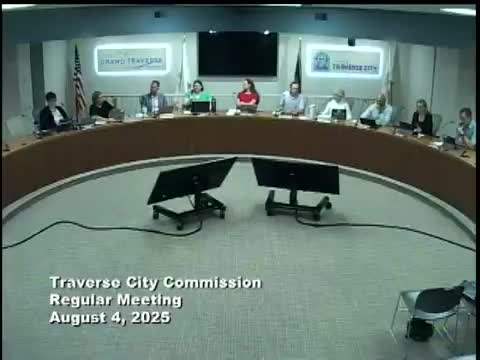
Summary
After public comment and commissioner debate, staff will return with revisions to the city’s proposed implementation policy for 2024 charter amendments governing tax‑increment financing (TIF) proposals. Commissioners emphasized adding clearer factual details on ballots and clarifying what happens after a voter rejection.
The commission on Aug. 4 continued discussion of a proposed implementation policy to govern how the city will handle TIF proposals under charter amendments passed in 2024. Commissioners and members of the public urged staff to add more factual content to proposed ballot language and to clarify procedures when voters reject proposed TIFs.
What the policy seeks to do: Staff described the draft policy as a uniform implementation framework so TIF proposals submitted under different statutory authorities (DDA/TIF, Brownfield, corridor or other TIF vehicles) would be treated consistently when placed before voters. The draft sets submission procedures, required application completeness standards and timelines for placing proposals on regular election ballots.
Commissioner and public concerns: Several commissioners — including Commissioner Jackie Anderson — and members of the public asked for more explicit factual content on the ballot such as the primary purpose of the plan, the legal authority (DDA, Brownfield or other), estimated revenue capture or total cost, geographic boundaries and the entity proposing the plan. Commissioner Heather Shaw recommended addressing the risk of “multiple submissions of identical proposals” by clarifying whether substantially identical proposals could be resubmitted and under what conditions.
Public commenters urged two primary changes: (1) stronger protection of voter intent by ensuring that a rejected proposal cannot simply be resubmitted without material changes, and (2) an explicit statement that the implementation policy does not apply to initiatives or referenda raised by citizen petition. Brad Bimber urged that if voters reject a TIF, the item should then be placed on the city commission agenda for formal disapproval or other action so that potential litigation issues are narrowed.
Next steps: Staff (Lauren) will revise the draft to incorporate clearer ballot facts (primary purpose, legal authority, estimated cost/revenue capture) and to refine language around resubmission and the commission’s options after voter rejection. The revised draft will return to the commission for further consideration.