Get Full Government Meeting Transcripts, Videos, & Alerts Forever!
Get email alerts on the Housing And Zoning topic
No spam. Unsubscribe anytime.
City enacts R-2 zoning changes to allow more multi-unit housing; measure passes amid split votes
Summary
The commission enacted amendments to R‑2 zoning to allow more multi‑unit housing in core neighborhoods; the measure passed 5‑2 after robust public testimony for and against the change.
The City Commission on June 2 enacted amendments to Chapter 13.34 (R‑2 mixed density residential district), changing allowable dwellings in R‑2 zones to permit additional units per lot. The ordinances were enacted with an effective date eight days after publication.
Supporters said the amendment is an incremental tool to add permanently available housing—duplexes, triplexes and accessory dwelling units—that helps retain renters and essential workers and aligns with the strategic action plan priorities. Multiple residents and housing advocates, including representatives from Housing North and neighborhood landlords and tenants, spoke in favor and described how incremental additional units help people afford to stay in the city.
Opponents, including some commissioners and neighborhood residents, urged additional design standards, careful attention to neighborhood character and clearer communication tied to the strategic plan. Commissioners expressed varied views: some said the change supports the strategic plan’s housing goals; others said the city should also have discrete design and transition tools to protect local character.
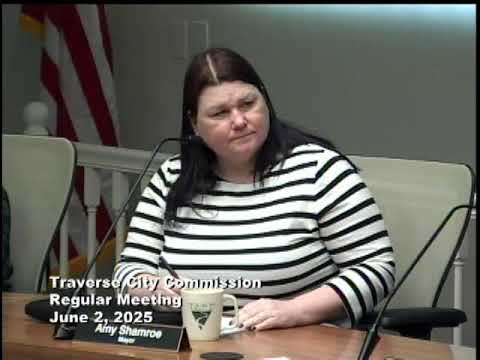
Vote: The ordinance was enacted by roll call. Mayor Pro Tem Wilson voted yes; Commissioner Anderson voted no; Commissioner Shaw voted no; Commissioners Stanley, Treadwell and Werner voted yes; Mayor Amy Shamro voted yes. The motion passed 5‑2.
Why it mattered: The change affects R‑2 neighborhoods across the city and is intended to create additional long‑term rental housing capacity without relying solely on large developments. The debate highlighted tension between accelerating housing supply and preserving neighborhood character.
Next steps: The ordinance takes effect eight days after publication. Commissioners and staff indicated the topic will continue to be addressed through additional planning discussion and through the newly adopted strategic plan work to reconcile housing goals with neighborhood design guidance.