Get Full Government Meeting Transcripts, Videos, & Alerts Forever!
Get email alerts on the Youth Mental Health topic
No spam. Unsubscribe anytime.
Panel urges earlier detection for youth mental health; pediatrician cites age‑specific onset and treatment cautions
Summary
A retired pediatrician and panelists described typical ages of onset for childhood mental‑health conditions, urged early intervention, and advised parents and schools on signs, sleep and screen limits while recommending cautious use of medication alongside therapy.
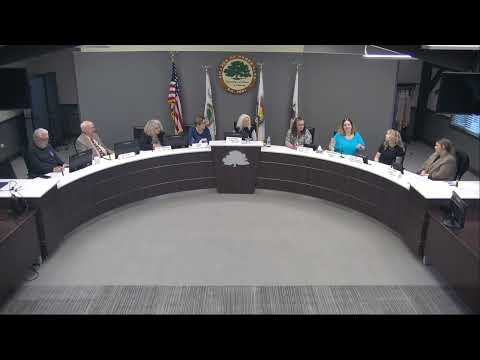
Tony Delich, a retired pediatrician who treated children and adolescents, told the Homer Glen behavioral‑health panel that many mental‑health and neurodevelopmental conditions begin early and often go undiagnosed. He urged routine developmental screening and family advocacy to secure appropriate school services and therapy.
“Only about 20 percent of children receive adequate care,” Delich said, and he added that conditions such as attention‑deficit/hyperactivity disorder (ADHD) and autism spectrum disorder often persist into adulthood if not addressed. He provided approximate age ranges for common onsets: developmental signs in early childhood, ADHD commonly identified between ages 3 and 7, anxiety and obsessive‑compulsive symptoms in middle childhood, and mood disorders surfacing in the teenage years.
Panelists emphasized practical steps parents and schools can take. Dr. Snow, a counselor with Beyond Healing and a professor at Governors State University, urged parents to listen to teens and to create opportunities—such as driving them to late‑night events—to learn what children discuss away from adult supervision. Patty Johnstone of the Living Room recommended parents learn therapeutic limit‑setting language and to use consistent boundaries while also praising positive behavior.
Several speakers advised caution on medication as an immediate first response. Maria (Symmetry Recovery) and other clinicians described medication‑assisted approaches used for substance use and said psychiatric medications should be paired with therapy and coping skills. A panelist with lived experience recommended using medication only when necessary and noted many people learn compensatory strategies that reduce reliance on prescriptions.
The panel also highlighted specific, observable signs parents can watch for in young people: sudden behavioral outbursts, withdrawal from friends (especially in girls), unusual clothing choices in hot weather that can indicate self‑harm, sleep disturbances, and a drop in school performance. Mark Reber and other family members described the difficulty of navigating services and the emotional toll on families seeking help.
Panelists said school counselors play a prevention and referral role but cannot provide intensive treatment: the American School Counseling Association’s recommended ratios are rarely met locally. Attendees were told how early intervention—individualized education programs (IEPs), 504 plans, therapy and peer supports—can reduce harm and improve outcomes.
The panel recommended concrete next steps for parents: pay attention to changes in performance and mood, seek assessment early, ask about school accommodations, and consider family therapy when the home environment contributes to symptoms. Speakers also urged community awareness that many young people with behavioral challenges present differently than adults—boys tend to externalize, girls to internalize—and that self‑harm does not always signal intent to die but is a sign that professional support is needed.
Delich closed by stressing prevention and vigilance: identify changes early, pursue assessment and supports, and work with schools and providers to build tailored treatment plans rather than relying on quick fixes.