Get Full Government Meeting Transcripts, Videos, & Alerts Forever!
Get email alerts on the Behavioral Health topic
No spam. Unsubscribe anytime.
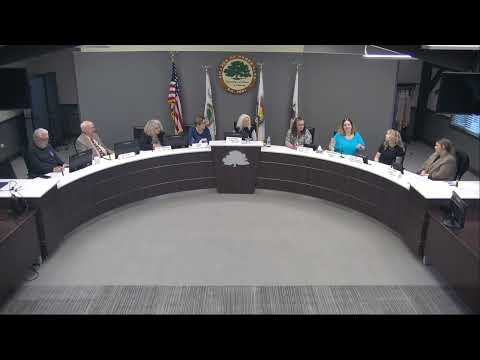
Homer Glen panel spotlights local behavioral‑health services, naloxone access and gaps in detox care
Summary
A community panel of counselors, health‑department staff and clinicians described local behavioral‑health programs, 24/7 crisis options and naloxone distribution while noting persistent gaps in detox and inpatient capacity and the need to expand outreach.
Dr. Snow, a counselor with Beyond Healing and a professor at Governors State University, convened a community behavioral‑health panel in Homer Glen that reviewed local services for mental‑health support, substance use treatment and harm‑reduction tools including naloxone (Narcan).
Panelists said local programs offer a mix of prevention, peer support and clinical care and urged residents to use available resources while also pressing for broader treatment capacity and earlier outreach.
The panel included service descriptions and concrete access details so attendees could find help quickly. Tracy Curtis, Community Education and Outreach Coordinator at the Bridal (Domestic Violence) Center for South Suburbia in Tinley Park, described free counseling, a 24/7 hotline and emergency shelter placements for people escaping domestic abuse and noted that resale store proceeds help fund survivor programs.
“All of our services are free for anyone that is enduring domestic abuse,” Curtis said. The panel also highlighted providers focused on specific populations: Erin of Beyond Acceptance described counseling for LGBTQ+ people and family psychoeducation; Melissa Howard explained music and play therapies offered through Beyond Play; and Maria (Symmetry Recovery) outlined medication‑assisted treatment (methadone, buprenorphine) plus intensive outpatient (IOP) group options.
Connie DeWol, program manager for Will County substance‑use initiatives at the Will County Health Department, described peer recovery supports and Narcan (naloxone) training and distribution. Patty Johnstone, director of the Living Room program in Orland Park, explained that the Living Room is a free, 24/7 crisis‑support site that can receive people in mental‑health distress who do not require an emergency‑room level of care; under team review, guests can stay multiple nights when clinically appropriate.
Panel members and residents repeatedly urged broader access to detox services. “We’ve lost a lot of our detox centers,” DeWol said, and hospital emergency rooms are increasingly the entry point for people needing medically supervised withdrawal. Several panelists said that lack of local detox capacity means people are routed through emergency care or must wait for openings at distant facilities.
Panelists described local efforts to increase naloxone availability and training. DeWol said schools in the state were required in January 2024 to keep naloxone on campus; she said school buildings and AED cabinets are being used to store naloxone so staff and first responders can access it quickly. “Narcan does save lives,” Maria said, describing a patient who reversed his own overdose and later entered treatment.
Panelists also described outreach strategies: distribution by health‑department staff, leaving naloxone information in community micro‑pantries, and a “naloxone plus” program that deploys peer supporters to follow up within 24 hours when police identify repeat overdoses.
While describing services, the panel emphasized limits. Several speakers said treatment options remain constrained for uninsured people and that many providers require detox completion before admission to longer‑term treatment. Panelists urged families and neighbors to learn crisis numbers (including 988) and local provider contact points and to keep naloxone available and accessible.
The discussion closed with offers of community training: the county and local providers said they will continue offering naloxone training sessions, public drop‑in opportunities to learn about services, and efforts to list local resources on the village’s website.
For now, panelists said, residents can seek immediate help through 988 for suicide/crisis support, local Living Room services for non‑emergency mental‑health crises, and multiple clinics offering medication‑assisted treatment in Will County and nearby suburbs. The panel urged continued coordination to expand detox capacity and ensure the full continuum of care is available locally.