Get Full Government Meeting Transcripts, Videos, & Alerts Forever!
Get email alerts on the Fleet Management topic
No spam. Unsubscribe anytime.
Committee reviews overhaul of vehicle-replacement policy with point-based scoring, EV guidance
Summary
Public works staff on Sept. 4 presented a rewrite of Brentwood's vehicle-replacement policy that adds a points-based evaluation, revisions to useful-life thresholds and guidance for electric and alternative-fuel vehicles.
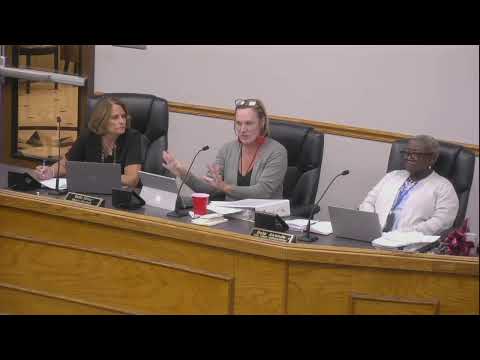
The Ways and Means Committee on Sept. 4 reviewed a proposed revision to the city's vehicle-replacement policy intended to modernize the fleet-replacement process, add a point-based evaluation, and incorporate sustainability guidance for electric and alternative-fuel vehicles.
Why it matters: The policy shapes when departments seek replacement vehicles and how the city budgets for fleet and equipment; changes could affect replacement timing, maintenance costs and capital requirements.
Dan, the public-works presenter, summarized the principal changes: a point-based evaluation that separates vehicle categories (for example, police and fire) and replaces subjective "good/very good" boxes with action outcomes (retain, review, replace); updated life-cycle thresholds for some equipment (street sweeper life cycle proposed at 10 years, down from 15); and explicit language encouraging transition to electric and alternative fuels and separate categories distinguishing internal-combustion, hybrid and electric vehicles. Dan said impartial evaluations would be performed by an outside vendor (Kirkwood was named) and that replacement recommendations must go to the director of finance and the city administrator for budgeting review.
Committee members pressed staff on lifecycle thresholds and comparators. One alderman noted other cities set patrol-car lifecycles at five years and unmarked vehicles at eight years and asked whether Brentwood's table should move mileage thresholds higher to avoid premature replacement. Dan said the policy provides guidelines and that meeting a threshold begins a formal evaluation, not an automatic replacement: "If you're interested in trying to get something replaced, it needs to meet one of those criterion first. So it's either it's like for the Patrol K9 truck, it's either gonna be at 7 years or 75,000 miles." Staff and committee members repeatedly emphasized the evaluation would include mechanical review and repair-cost history; Eric (a maintenance representative) noted hour meters and repair frequency are used in scoring and the evaluation can recommend retention.
Electric-vehicle guidance drew particular scrutiny. Staff initially proposed a seven-year lifecycle for full EVs, with discussion about moving to eight years; staff cited battery-warranty concerns and the limited longitudinal experience with municipal EVs, saying the policy is "fluid" and will be reviewed annually. Committee members asked staff to gather comparators, resale data and extended-warranty cost estimates before finalizing thresholds.
Discussion, direction and next steps: The committee did not vote on the policy amendment. Members asked staff to return with comparator benchmarks (peer municipalities), resale/depreciation analysis, and estimates on extended-warranty or service-contract options. A committee member proposed a five-year comprehensive policy review cycle while allowing annual tweaks as new data arrive.
Ending: Staff said they will make requested adjustments and bring a revised draft back for committee review, including comparator tables and additional cost analyses.