Get Full Government Meeting Transcripts, Videos, & Alerts Forever!
Get email alerts on the Sewer Fund Review topic
No spam. Unsubscribe anytime.
Commissioners ask auditor for multi-year review of sewer fee revenues versus maintenance costs
Summary
Commissioners asked the auditor—s office for a multi-year analysis comparing sewer fee revenues to the county—s costs to operate and maintain sewer systems, citing recent pump failures and unusually high repair costs.
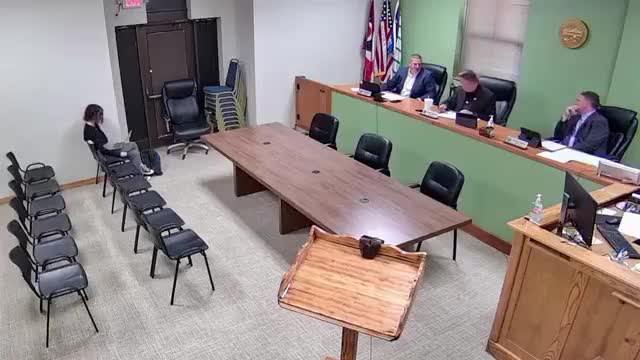
Commissioners asked staff Sept. 11 for a historical review of sewer fee revenue against maintenance and repair costs covering a multi-year period. The request followed commissioner questions about rising maintenance expenses this year and whether sewer user fees are covering operating costs. Why it matters: The analysis will inform budgeting and potential fee adjustments if recurring shortfalls exist, and commissioners said they want a three-year view to smooth years with abnormal capital repairs. A commissioner asked staff to compare historical sewer revenues with maintenance costs, noting recent years of expensive pump replacements and major repairs that have increased operating costs this year. The board acknowledged that in recent years revenues had nearly covered costs, but said heavy repair years can produce significant gaps. One commissioner recommended a three-year average review; another commissioner and the auditor—s staff agreed to produce a report for budget season. The board did not take formal fiscal action on rates at the meeting; the direction to the auditor was to prepare the multi-year analysis so commissioners can consider whether fee changes, reserves or budget adjustments are needed during the next budget cycle. Commissioners emphasized they would use the report to avoid short-term rate swings in response to one-time capital failures and to understand recurring versus exceptional costs.