Get Full Government Meeting Transcripts, Videos, & Alerts Forever!
Get email alerts on the Child Prevention Behavioral Health topic
No spam. Unsubscribe anytime.
Providers urge insurers to cover preventive behavioral-health visits for children without diagnosis
Summary
Witnesses told the committee that MassHealth already reimburses short-term preventive behavioral-health services for children and families; H1228/S802 would require commercial plans and the Group Insurance Commission to provide the same coverage, enabling clinicians to intervene before problems escalate.
A group of pediatricians, psychologists and advocates told the Joint Committee on Financial Services that preventive behavioral-health visits — short-term, early interventions provided alongside primary care — should be covered by commercial insurers and the Group Insurance Commission, matching MassHealth policy.
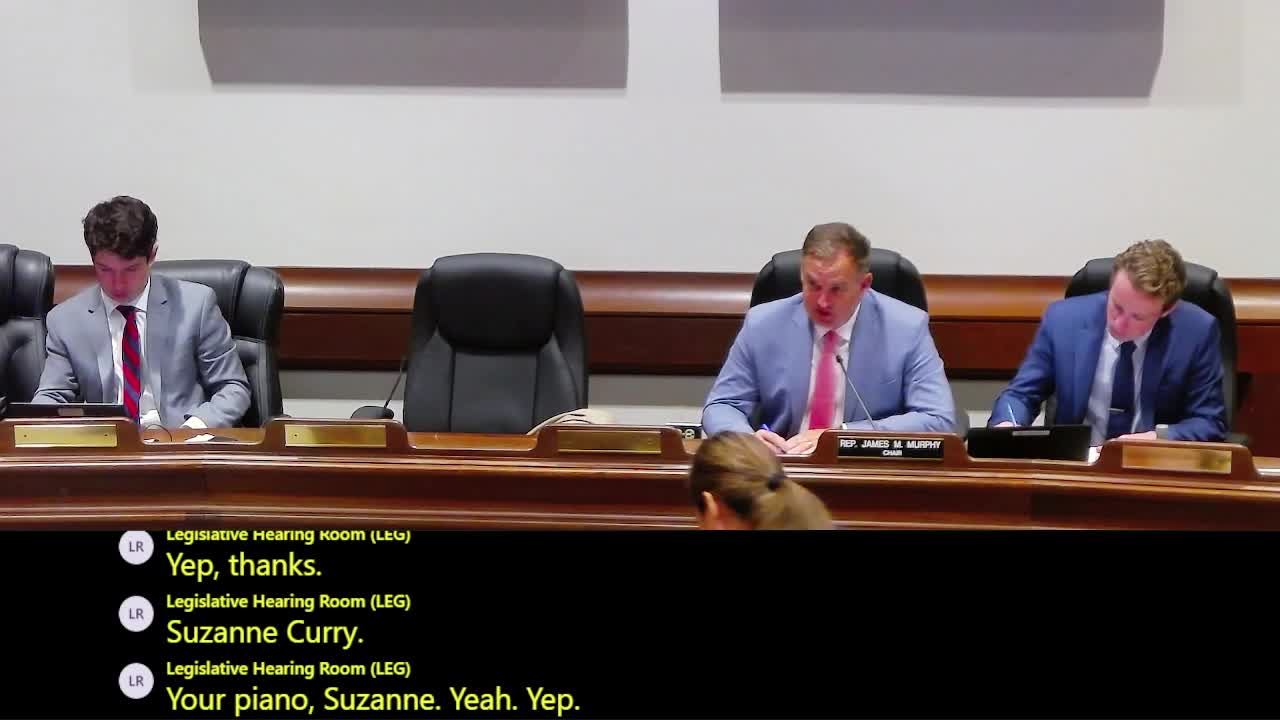
Suzanne Curry of Healthcare for All said H 12 28 / S 8 02 would require payers to allow up to six visits with a behavioral-health clinician before a clinical diagnosis is required, aligning commercial coverage with MassHealth. Pediatric clinicians described cases where brief interventions delivered in the medical home prevented escalation: Dana Allsweet, a child psychologist affiliated with HealthySteps, recounted a 4-month-old patient whose mother had postpartum anxiety; brief, early support helped improve parent–child interaction before problems entrenched.
Speakers repeatedly told the committee that requiring a DSM diagnosis before payment forces clinicians to postpone or withhold preventive supports. Corinna Ray, a pediatrician at Boston Children's Hospital, said primary-care clinics often provide such short-term interventions without reimbursement because commercial plans do not include the benefit; grants and philanthropy have subsidized these services but are not sustainable.
Why it matters: Panelists said early, preventive intervention reduces the need for more intensive — and expensive — services later. They urged the committee to report H 12 28 / S 8 02 favorably so that reimbursement aligns across payers and integrated pediatric practices can sustainably offer preventive behavioral-health care.
Next steps: Advocates asked for a favorable committee report and offered follow-up testimony describing operational and payment-model details.