Get Full Government Meeting Transcripts, Videos, & Alerts Forever!
Legislative committee studies tax treatment of inundated lands as Devil’s Lake and other basins remain partly underwater
Summary
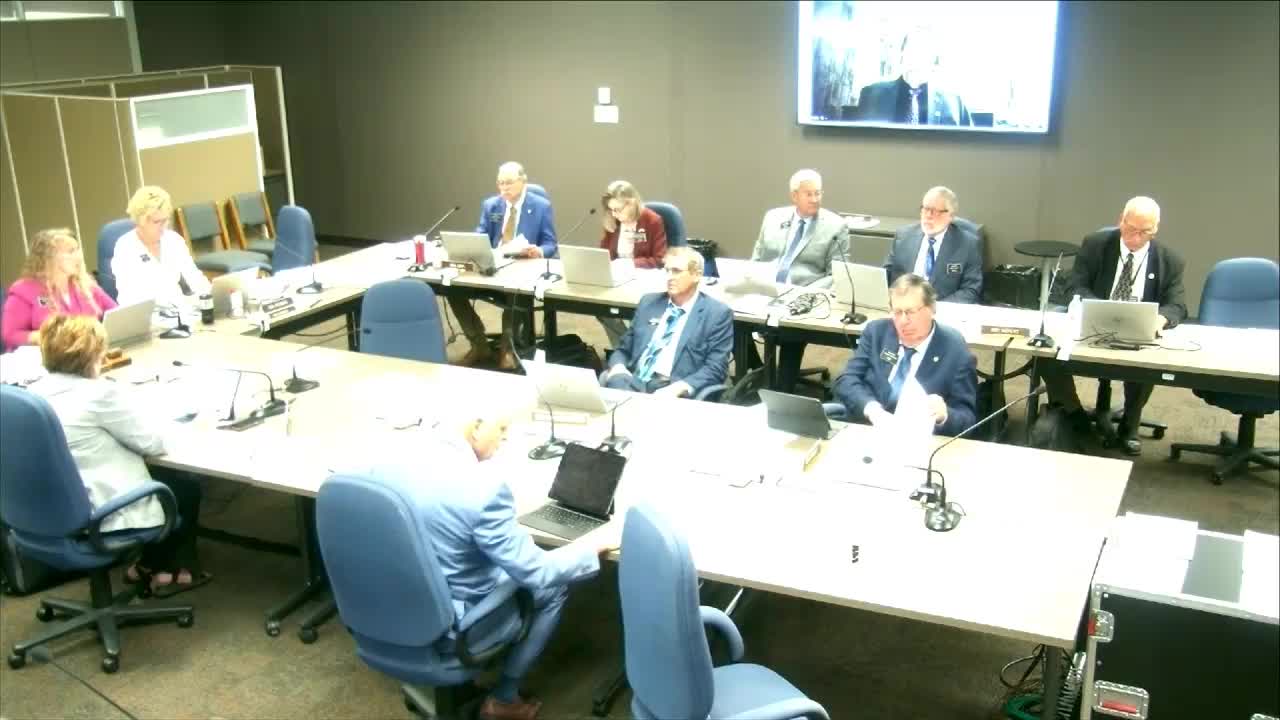
The Interim Agriculture and Water Management Committee met to review state law and local practice for taxing and managing inundated agricultural land and wetlands, and to hear local witnesses on the effects around Devil’s Lake and other North Dakota basins.
The Interim Agriculture and Water Management Committee met to review state law and local practice for taxing and managing inundated agricultural land and wetlands, and to hear local witnesses on the effects around Devil’s Lake and other North Dakota basins. Legislative Council staff told members the study (House Concurrent Resolution 3018) directs review of wetland regulations and the tax treatment of inundated lands. The committee received briefings from the Department of Water Resources, North Dakota State University (NDSU), county officials and local water boards.
Why it matters: millions of dollars in local tax revenue and the livelihoods of farmers and ranchers are affected when land is classified as "inundated" and assessed at a lower value. County assessors and state agencies described a process they said is intended for short‑term relief but is difficult to apply to long‑term inundation created by persistent high lake levels, federal easements and changing hydrology.
State and local officials described overlapping authorities. Aaron Carranza, director of the Regulatory Division at the North Dakota Department of Water Resources, reviewed sovereign‑lands doctrine and said the state holds beds and banks of navigable waters in trust for present and future residents. He told the committee the state’s “obligation for sound management” of those public trust lands is rooted in court decisions and state law and that the ordinary high‑water mark can move as water bodies shift. Carranza also said…
Already have an account? Log in
Subscribe to keep reading
Unlock the rest of this article — and every article on Citizen Portal.
- Unlimited articles
- AI-powered breakdowns of topics, speakers, decisions, and budgets
- Instant alerts when your location has a new meeting
- Follow topics and more locations
- 1,000 AI Insights / month, plus AI Chat