
Third‑party review finds shelter operators complied with contracts; flags gaps in case management, transport and real‑time data
Get AI-powered insights, summaries, and transcripts
Subscribe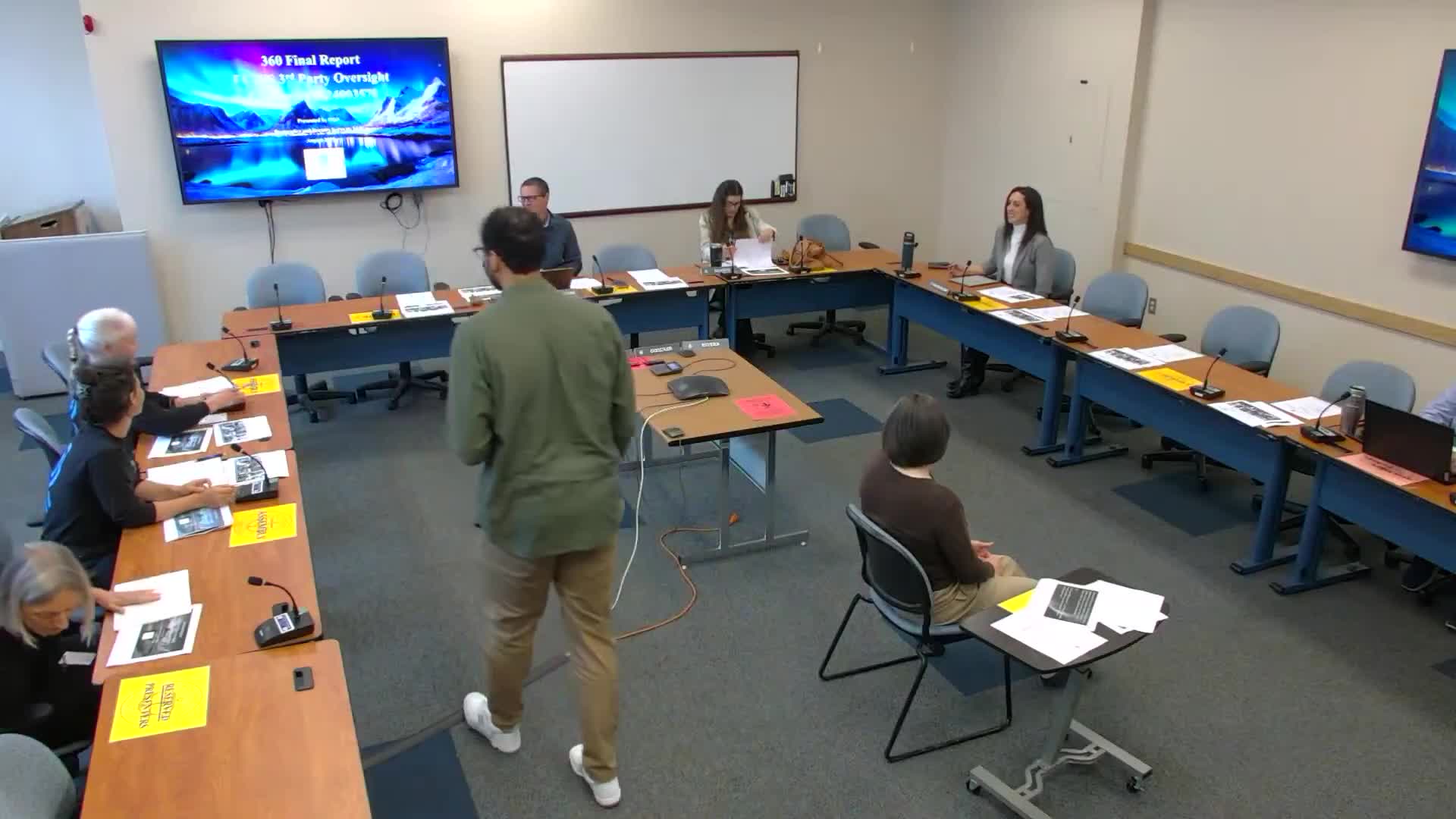
Summary
Kathleen McLaughlin, CEO of Restorative and Reentry Services, told the Assembly Housing and Homeless Committee on Aug. 20 that a third‑party review of the city’s emergency cold‑weather shelter system found operators generally complied with their contracts and that the system served more unique individuals this season despite having fewer beds than the prior winter.
Kathleen McLaughlin, CEO of Restorative and Reentry Services, told the Assembly Housing and Homeless Committee on Aug. 20 that a third‑party review of the city’s emergency cold‑weather shelter system found operators generally complied with their contracts and that the system served more unique individuals this season despite having fewer beds than the prior winter. "We firmly believe that every shelter operator acted in compliance with their contracts," McLaughlin said.
The review matters because it assessed whether the 2024–25 shelter system met contractual terms, client expectations and community needs. McLaughlin and colleague Emily Robinson presented utilization data, described operational changes and listed gaps that they recommended the municipality address before the next cold season.
The oversight team said the shelter system this winter had 532 beds available, down from 574 the previous season, but recorded 2,193 unique individuals and 5,626 unique shelter stays during the emergency cold‑weather season. McLaughlin attributed the increase in people served to coordination practices that committed all available beds for nightly use and to what she called a shift from a program‑centered to a client‑centered approach. "Clients get real‑time services when they need it on demand," she said, describing a case in which the mobile crisis team helped stabilize a person who then entered detox the same night.
The review outlined three seasonal goals—stabilizing in the fall, integrating services in January and synergizing across sites in April—and described several operational practices that contributed to the higher throughput. Oversight staff said they tracked a warming center roster daily (Henning House) and reported roughly 1,800 unique individuals and 9,677 visits to warming services over the season, with 113 people recorded using warming 20 or more times (data carry a reported ±5% margin of error).
Oversight also recommended preserving a 24/7 client access line to give people immediate help, keeping outreach and coordination meetings, and continuing daily bed counts and a "head‑in‑the‑bed" expectation that operators fill used beds rather than only assigned beds. The oversight team said that because beds are expensive, the city should continue to optimize nightly use.
The presenters flagged three main operational gaps: (1) case management that is reactive rather than proactively engaging clients on day one, (2) transportation—contract provisions that required operators to distribute bus passes proved problematic because the passes have street value—and (3) lack of shared, timely data. McLaughlin said some shelter databases (for example, Catholic Social Services’ Apricot and other systems) are not directly and rapidly accessible to partners; RRS said a data‑sharing agreement with ICA for roster access this year “was a game changer” but that roster reporting and HMIS entries can lag by days and lead to duplicate bed holds.
Agency representatives confirmed work to address the gaps. Pia Agni Bemba of the mayor’s office said the Anchorage Safety Center will continue to serve as a short‑term portal for people who need a place for a few hours and noted two year‑round municipal sites will have surge capacity this winter. The Anchorage Health Department, whose staff later discussed related programs, said it and the HMIS vendor are examining ways to provide more up‑to‑date reports and clearer data access for partners.
McLaughlin also described discretionary community funds used as a gap‑filler for small, urgent needs (for example, paying $30 to obtain a child’s birth certificate so a family could move into shelter). She urged stronger proactive case management—staffing floors so case managers can meet clients in the moment—and more coordinated transportation (examples included shuttle-style navigation vans rather than distributing loose bus passes).
The oversight presentation closed with a list of partners and sites that were part of system coordination this winter, including Henning, Catholic Social Services, East 56, Alex Hotel, Brother Francis, Covenant House, Complex Care, Anchorage Safety Center, the HOPE team, and outreach teams. McLaughlin and Robinson took questions from committee members and recommended continued use of real‑time rosters and daily operational coordination ahead of the next cold season.
The committee did not take a vote on policy changes during the presentation; members asked for continued reporting and data updates ahead of budget and winter planning.