Get Full Government Meeting Transcripts, Videos, & Alerts Forever!
Get email alerts on the Land Use Museum Swap topic
No spam. Unsubscribe anytime.
Museum of Alaska Transportation and Industry seeks land swap; planning commission told city administration will lead exchange
Summary
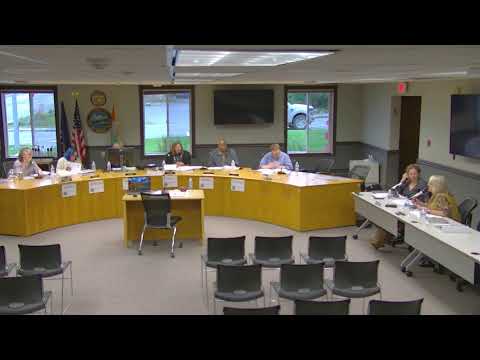
Representatives of the Museum of Alaska Transportation and Industry asked the Wasilla Planning Commission on Aug. 19 to explore a land swap that would move historic aircraft and locomotives to city property near Home Depot; planning staff said the parcel is a registered brownfield and that any land exchange and disposal of city property would require administration negotiation and city council approval.
Museum representatives presented a proposal to relocate aircraft, locomotives and a planned education/conference center to city‑owned property near the Home Depot area, and the commission discussed next steps and legal constraints on a land exchange.
James Grogan of the Museum of Alaska Transportation and Industry told the Planning Commission on Aug. 19 that the museum has building plans for a visitor/education center, owns locomotive and aircraft artifacts, and wants to relocate assets to create a museum campus and a potential city square. Grogan said the museum has engaged architects, has preliminary plans for a 15,000–25,000 square‑foot conference/education building, and has discussed logistics with Alaska Railroad for track and switch work needed to move heavy locomotives.
Planning staff told commissioners the parcel under discussion is a registered brownfield, which makes it eligible for certain revitalization programs. Staff said they had confirmed eligibility with the Alaska Department of Environmental Conservation (ADEC) and expected to present an ADEC brownfields overview to the commission soon.
Commissioners asked whether the museum had formal concept plans and funding. Grogan said the museum has multiple concept options and some purchased building plans; he indicated partial private fundraising and that further funding would depend on land availability and grants. He asked whether the commission could direct staff to work up a quasi‑plan for referral to the city council. Planning staff and the city attorney advised the commission that the legislative path for a land exchange and any disposal of city property lies with the administration and the mayor and that a formal agreement or land‑exchange ordinance would ultimately require council approval. The attorney also noted that airport planning obligations apply: the airport master plan references the property and FAA review would be required for any project affecting airport property.
Staff and the attorney said the commission would be engaged on land‑use components such as any rezoning, conditional uses, permits, variances or quasi‑judicial reviews that may be needed later, but that the first step for a land exchange is an administration‑level agreement and council action. Staff described possible near‑term work for the museum if a swap moved forward, such as removal of concrete stanchions, disassembly and winter relocation of smaller vehicles and artifacts, and design work for display needs.
There was no final vote or formal action by the commission on a land‑swap ordinance at the Aug. 19 meeting. Commissioners asked planning staff to continue discussions with the museum and explore options, and several commissioners expressed support for pursuing a collaborative approach, noting potential benefits for tourism and downtown activation if artifacts were relocated and public access improved.