Get Full Government Meeting Transcripts, Videos, & Alerts Forever!
Get email alerts on the Valuation Practice topic
No spam. Unsubscribe anytime.
Owners press county over depreciation, feedlot and home classifications during Banner County tax protest hearing
Summary
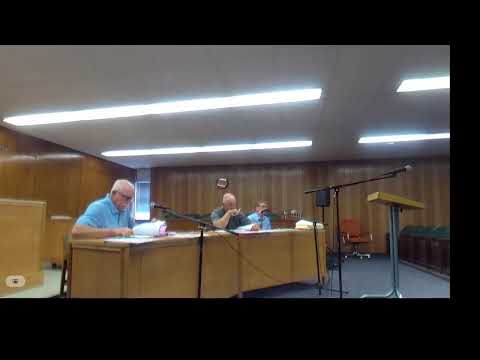
Several property owners used the July 8 Board of Equalization hearing to press the assessor and board for clearer, more consistent depreciation, to dispute the $3,000/acre treatment of commercial feedlots, and to reclassify portable or transient housing that they said should not be valued as permanent modular homes.
Several property owners used the July 8 Banner County Board of Equalization hearing to press for more consistent depreciation schedules and to challenge how the county values certain farm-site features and nonpermanent housing.
Why it matters
Owners told the board they see inconsistent depreciation and classification practices across parcels in the county: the same types of outbuildings and portable structures can appear with markedly different depreciation percentages on assessor cards, they said, and that lack of parity produces inequitable tax outcomes. Several protesters asked that depreciation be applied according to documented age, condition and cost rather than by ad hoc estimates.
Key concerns raised
- Depreciation and equalization: Lisa Brenner, representing Darnell Ranch Inc., presented spreadsheets of comparables and argued the county’s depreciation caps and the depreciation percentage applied to improvements (notably outbuildings and temporary housing) appeared inconsistent with the county’s depreciation table. “This depreciation table makes everything equalized” — she said, arguing that in practice some properties showed depreciation above the table cap.
- Feedlot land valuation: Protesters questioned the county’s use of a $3,000-per-acre value for commercial feedlot acreage. The board and assessor said the county aligned feedlot acreage valuation with other Panhandle counties for commercial feedlots that meet DEQ thresholds; protesters argued that treatment blurred distinctions between commercial and smaller noncommercial operations and could double-value improvements.
- Classification of housing and portable units: Multiple owners sought reclassification of dwellings described as mobile, modular or transient labor cabins, arguing that portable or moved-in units should not be valued at the same rate as permanent, modular construction. The assessor in multiple instances changed classifications after property inspections (for example, reclassifying a unit to a mobile home or “transient labor cabin” and adjusting depreciation accordingly).
Assessor response and board action
Casey, the assessor, acknowledged the difficulty of mass appraisals and described the county’s methodology: use of soil-code–based land values for grass/CRP acres, reliance on regional comparables for the first-acre home-site values, and depreciation schedules applied to building types. Casey said in several cases that changes in classification or year-built documentation supplied by property owners prompted revaluations.
Board members asked for clearer presentation materials in future hearings; one member suggested the assessor’s office tab packet pages for comparables and depreciation schedules to let the board and owners find comparable parcels more quickly.
Ending
Owners and assessors agreed on the hearing procedures but remained divided in some technical valuation approaches. The assessor will finalize parcel records to reflect the board’s decisions and will contact owners with results; owners retained the right to appeal administratively or in court if dissatisfied.