
PCARB discusses raising blade‑sign size and moving ground signs to administrative review
Get AI-powered insights, summaries, and transcripts
Subscribe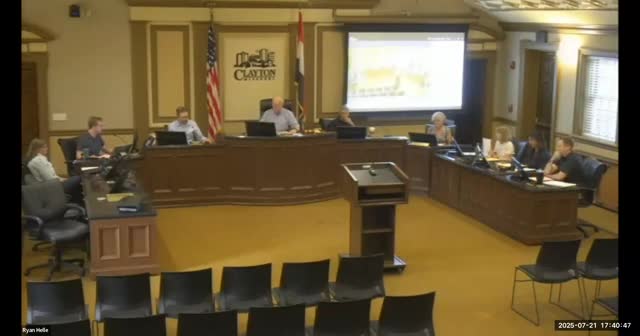
Summary
PCARB reviewed staff analysis of blade signs and ground signs, supporting raising the administratively approvable blade‑sign area to align with past approvals and developing architecture review guidelines so some ground signs can be approved administratively with staff discretion and an appeal route to the board.
PCARB members and staff discussed two sign‑code topics on July 21: whether to raise the maximum administratively approvable blade‑sign area and whether certain ground signs should be eligible for administrative review under architecture review guidelines.
Staff presented data showing that approved blade signs between January 2021 and July 2025 averaged about five square feet, while the current code caps an administratively approvable blade sign at 1 square foot. "Staff suggests that the maximum administratively approvable blade sign area be raised to 5 square feet to align with the sign code and with past PCARB approvals," PCARB staff said. Board members agreed context matters — building scale, spacing of blade signs and sign subdistricts — and asked staff to return with photographs and concrete examples of existing blade‑sign approvals to inform a proposed numeric change.
On ground signs, staff noted that the code currently requires Architectural Review Board approval for all ground signs and does not prescribe specific materials. Staff said practice has been to recommend brick, stone, metal or wood and to discourage vinyl and PVC for sign components beyond the sign face. Staff proposed drafting architecture review guidelines for ground signs and amending section 4.25.040(a)(3) of the sign code to allow administrative review when a proposal meets the guidelines. Staff described the administrative path as discretionary: if the designee determines a proposal does not fit context, staff can forward it to the ARB for full review.
Board members generally supported administrative review for both sign topics but emphasized context, consistency and an appeal path. One member suggested allowing administrative approvals but preserving an appeal route so an aggrieved property owner can seek ARB review. Staff said it will return with examples, proposed guideline language and recommended thresholds for administratively approvable blade signs and ground‑sign materials.
No formal code change was adopted at the meeting; the board gave staff direction to prepare examples and draft architecture review guidelines for future consideration.