Get Full Government Meeting Transcripts, Videos, & Alerts Forever!
Get email alerts on the Housing Affordable Senior topic
No spam. Unsubscribe anytime.
Rolla council backs developer’s tax-credit application for proposed senior housing
Summary
The Rolla City Council approved a resolution supporting a developer’s application to the Missouri Housing Development Commission for federal low‑income housing tax credits for a proposed senior housing project; council discussion clarified a planned sewer extension and the project’s points-based scoring at the state level.
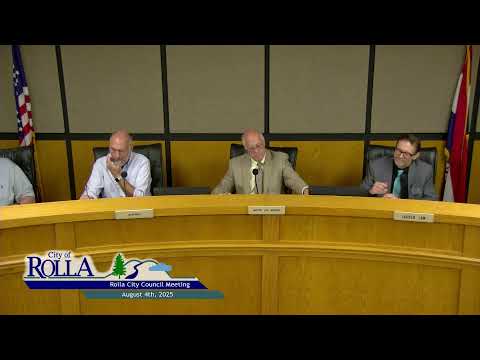
The Rolla City Council on Aug. 4 voted to express municipal support for a proposed senior housing development’s application to the Missouri Housing Development Commission (MHDC) for federal low‑income housing tax credits.
The resolution does not approve the project or zoning; it authorizes a statement of support that the developer said is needed to earn points in MHDC’s competitive allocation process.
Why it matters: MHDC awards scarce federal tax credits via a points system that heavily influences which projects receive funding. City support can supply points that make a local application more competitive, potentially unlocking capital that lowers mortgage costs and keeps rents affordable, according to developers who addressed the council.
What the council heard: A city staff member explained the city could provide infrastructure‑related points by committing to a sewer extension needed to serve the site; the staff estimate for the sewer work was $58,400. A developer representative said the tax credits are sold through syndicators to reduce project debt and that the program has been used since the late 1980s to finance affordable housing.
Developer Kim Lingle described prior MHDC projects in Rolla and said the state’s process now is strictly points‑based rather than subjective. A developer representative said the proposed building would be independent living, rental units, with on‑site management. The project described would provide about 40 units for seniors, with 15% (six units) set aside for special needs tenants.
Council members asked for clarification on whether credits are federal and how the state allocates them; a developer representative explained the MHDC allocation is tied to federal authority and state population allotments. The council and staff repeatedly emphasized that the resolution is only support for the application and that any zoning or final approvals must return to the council.
Action taken: The council approved the resolution supporting the developer’s MHDC tax‑credit application by voice vote.
What remains: The developer must complete MHDC’s application process, earn sufficient points, and later seek any local land‑use approvals required for construction.
Sources: Remarks by city staff, developer Kim Lingle, and the council during the public meeting.