
Residents, Kiwanis and city officials spar over tree removals and Zozobra planning at Fort Marcy Park
Get AI-powered insights, summaries, and transcripts
Subscribe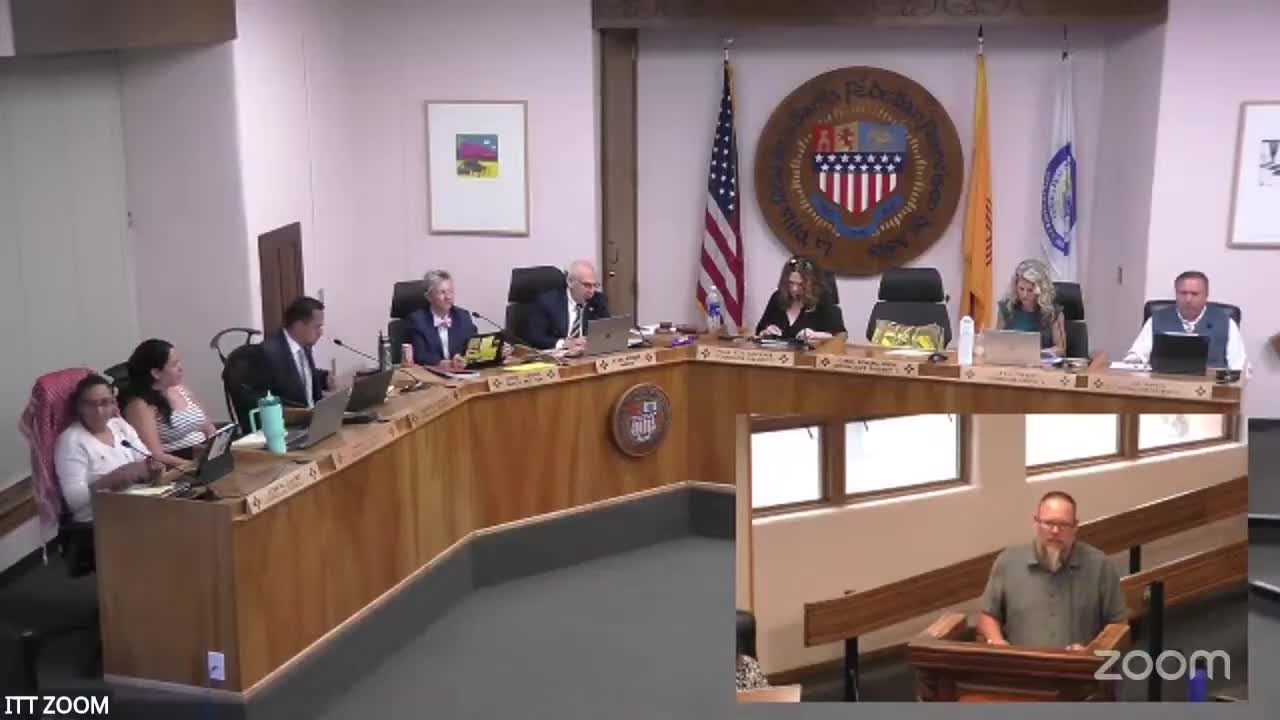
Summary
A wave of public comment at the Aug. 13 meeting focused on recent removal of trees at Fort Marcy Park for Zozobra-related improvements, with residents and neighborhood leaders seeking transparency and records, while Kiwanis supporters and event backers defended safety and fundraising decisions.
Multiple residents, neighborhood leaders and community groups used the public‑comment portion of the Aug. 13 governing‑body meeting to press the city and Kiwanis Club for detailed records and a transparent process after crews removed 12 Siberian elm trees at Fort Marcy Park in early August for Zozobra preparations.
Critics described the removal as unannounced and urged a full public accounting of communications among Kiwanis, city officials and the insurer that Kiwanis cited as a reason for the removal. Marty Esquivel, a resident and neighborhood commenter, said the city had ‘‘abdicated accountability and given authority to someone who is biased,’’ and asked whether Kiwanis fully indemnifies the city and how crowd capacities and evacuation plans are defined.
Multiple speakers called for release of records and for replacement plantings to be installed in the park rather than elsewhere. “The trees should be replaced in the same area, not somewhere else,” one public commenter urged. Several speakers argued the event has expanded beyond a community celebration and raised concerns about crowd sizes, alcohol sales and vendor arrangements.
Supporters of Kiwanis and the event described the club’s longtime contributions and defended its planning. Kiwanis supporters told the council that the tree removals were part of a safety plan developed in coordination with emergency services, and said Kiwanis secured $200,000 for replacement trees and irrigation. Kiwanis members and supporters pointed to longstanding fundraising that, they said, benefits youth groups and local nonprofits.
Mayor and staff announced a Fort Marcy Gazebo meeting planned for Aug. 20 to discuss planting and shade‑structure proposals and invited public comment; staff said they will post additional documentation and meet with neighborhood stakeholders. The city attorney and staff said they were reviewing records and engagements; the governing body did not take formal action on the park at the Aug. 13 meeting but several councilors emphasized the need for clearer public outreach and a transparent record of decisions affecting public park land.
Why this matters: Fort Marcy Park is a central public space used year‑round; the debate highlights tensions between private nonprofit event organizers and public oversight, raises questions about public‑space stewardship, and has prompted calls for improved public notice and formal agreements governing large events.