Citizen Portal

Senate Aging Committee Hearing Highlights Bipartisan Push to Let Older Workers Sue in Court, Not Be Forced into Arbitration

5753155 · September 3, 2025

Get AI-powered insights, summaries, and transcripts

Subscribe
AI-Generated Content: All content on this page was generated by AI to highlight key points from the meeting. For complete details and context, we recommend watching the full video. so we can fix them.

Summary

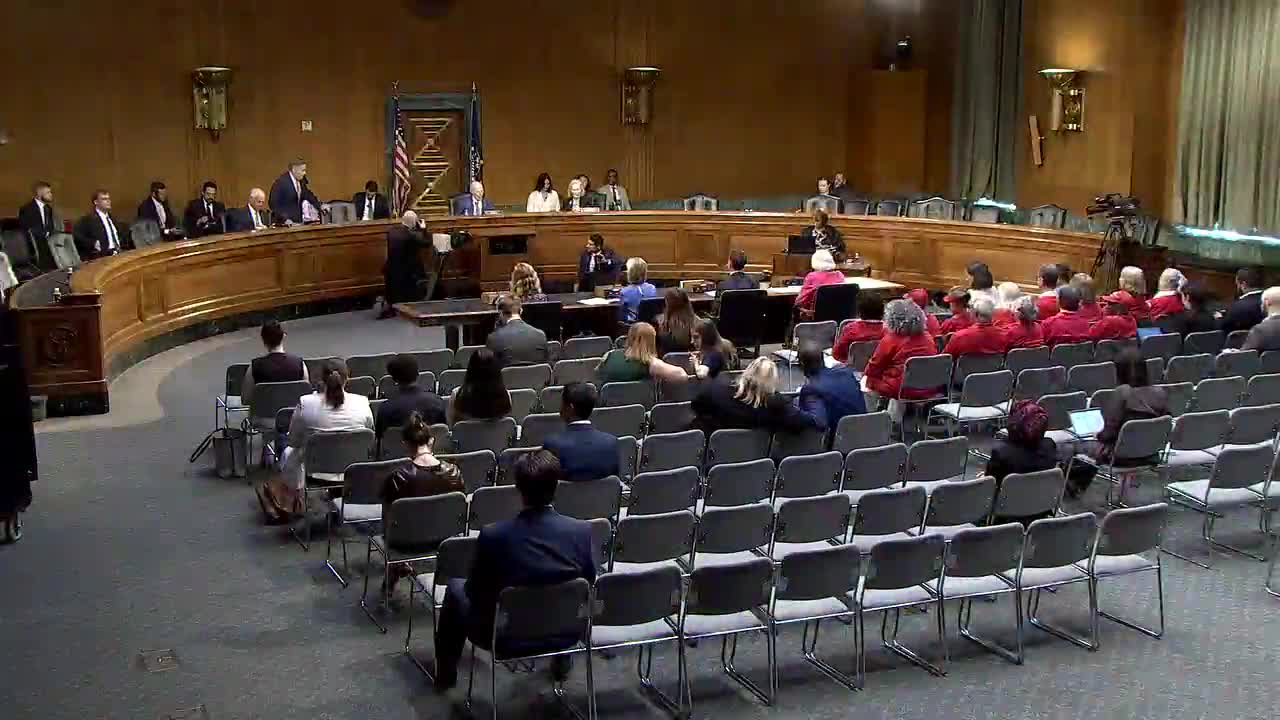
The U.S. Senate Special Committee on Aging convened a hearing on age discrimination and forced arbitration, where Republican Chairman Tim Scott and Ranking Member Kirsten Gillibrand led a bipartisan discussion about the Protecting Older Americans Act, a bill intended to invalidate forced arbitration clauses for age-discrimination claims and give older workers the option to file in court.

The U.S. Senate Special Committee on Aging convened a hearing on age discrimination and forced arbitration, where Republican Chairman Tim Scott and Ranking Member Kirsten Gillibrand led a bipartisan discussion about the Protecting Older Americans Act, a bill intended to invalidate forced arbitration clauses for age-discrimination claims and give older workers the option to file in court.

The bill matters because witnesses said forced arbitration often prevents older employees from pursuing discrimination claims, hides repeat patterns of conduct and disadvantages individual claimants. "Victims of age discrimination often can't seek justice or accountability in court because of forced arbitration clause that they signed when they were hired," Ranking Member Kirsten Gillibrand said during opening remarks. She and other witnesses urged Congress to restore choice for workers who were bound by arbitration provisions they did not meaningfully consent to.

AARP executive vice president Nancy LeaMond told the committee that age discrimination is widespread and costly. "This is devastating for individuals and also can be overall for the workforce," LeaMond said, citing research the group provided that found hundreds of billions in estimated economic losses and a high share of workers reporting discriminatory experience. She testified that AARP supports the Protecting Older Americans Act and state-level policies that limit age-related hiring questions and expand retraining and employer best practices.

David Horton, Fair Business Practices and Investor Advocacy Professor of Law at UC Davis School of Law, outlined legal and procedural reasons forced arbitration blocks redress. "Forced employment arbitration is not consensual," Horton said, arguing arbitration clauses are often signed amid onboarding paperwork and deny workers the possibility of class or collective proceedings, produce limited discovery and create a "repeat player" bias in arbitrator selection. Horton cited empirical gaps: while objective estimates imply hundreds of thousands of employment claims likely exist, filings in major arbitration forums number only a few thousand per year.

Gretchen Carlson, cofounder of Lift Our Voices and an advocate against nondisclosure and forced-arbitration clauses, described personal cases in which forced arbitration kept misconduct out of public view. "All we're asking for is the choice to make it voluntary," Carlson said, urging lawmakers that allowing court access has not produced the flood of meritless suits some opponents predicted after Congress ended forced arbitration for sexual assault and sexual harassment.

Witnesses and senators debated employer concerns, especially for small businesses. Senator Ron Johnson raised the risk that smaller employers could face costly litigation and asked whether arbitration could be reformed rather than banned. Horton and Carlson replied that the courts handling claims have not shown a wave of frivolous suits in the wake of the earlier federal change on sexual‑harassment arbitration, and that courts retain pleading standards and gatekeeping tools.

Panelists also discussed related workforce and policy issues raised during testimony: Rachel Gresler, senior research fellow at the Heritage Foundation, urged policymakers to remove barriers that discourage or penalize older workers from remaining in the labor force, including the Social Security retirement earnings test. "Eliminating the earnings test could bring up to 1,000,000 older Americans into the workforce," Gresler said as an estimate, and argued that the current test acts as a high marginal tax on work for some older workers.

Committee members raised workplace practices that affect older workers beyond arbitration—last‑minute scheduling, caregiving obligations and hiring language that screens out older applicants— and introduced or discussed parallel legislative approaches such as scheduling protections. Committee leadership left the hearing record open for additional questions and statements until the record closes next Wednesday at 5 p.m., the chair said.

Why it matters: older Americans are a growing share of the labor force, and witnesses told senators that forced arbitration and other barriers can undermine both individual financial security and wider economic participation. The hearing put the Protecting Older Americans Act into the committee record and tested arguments for and against limiting mandatory arbitration in age-discrimination claims.

(Quotations in this report are taken from the committee hearing transcript and attributed to speakers shown here.)