Get Full Government Meeting Transcripts, Videos, & Alerts Forever!
Senators secure nominee's pledge to address Camp Lejeune attorney fees, fiduciary fraud and survivor overpayments
Summary
Senators pressed Dr. Karen Bridal to curb high contingency attorney fees in Camp Lejeune claims, improve fiduciary safeguards and stop survivor payment reversals that have overdrafted family accounts; Bridal committed to review and to work with DOJ and the committee.
Senators pressed VA Undersecretary‑designate Dr. Karen Bridal to take action on three veterans‑facing problems: excessive contingency fees in Camp Lejeune claims, fraud and abuse in the VA fiduciary program, and survivor overpayments that have left families with bank overdrafts.
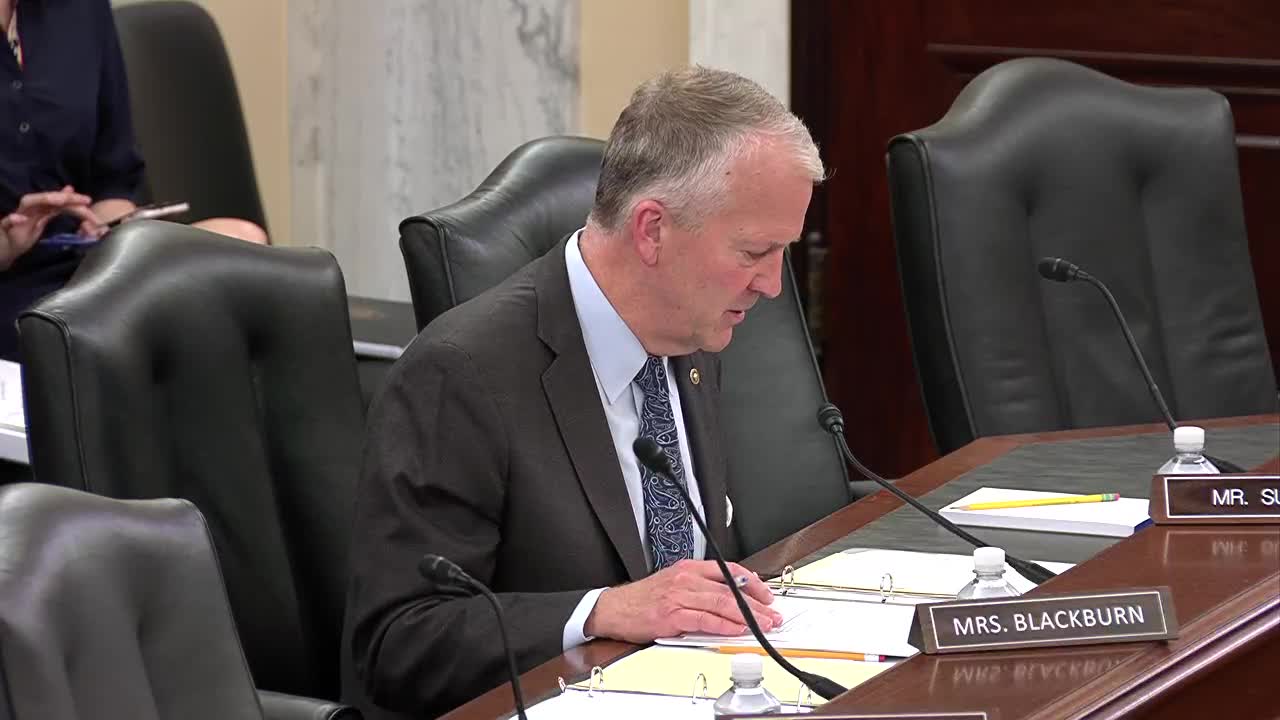
Senator Sullivan urged Bridal to "work with the secretary, who's very committed to this, and the attorney general" to curb contingency fees charged by private firms pursuing Camp Lejeune claims and said he would push for caps (he called for a…
Already have an account? Log in
Subscribe to keep reading
Unlock the rest of this article — and every article on Citizen Portal.
- Unlimited articles
- AI-powered breakdowns of topics, speakers, decisions, and budgets
- Instant alerts when your location has a new meeting
- Follow topics and more locations
- 1,000 AI Insights / month, plus AI Chat