Lifetime Citizen Portal Access — AI Briefings, Alerts & Unlimited Follows
Experts dispute completeness of vaccine trial controls and highlight gaps in U.S. safety surveillance systems
Loading...
Summary
Witnesses diverged over whether randomized trials and safety surveillance provide adequate evidence: Stanford's Dr. Jake Scott described a database of randomized vaccine trials and placebo controls; critics said many trials cited are irrelevant or used non‑saline comparators; attorneys cited v‑safe FOIA data and VAERS underreporting concerns.
Debate at the Senate Permanent Subcommittee on Investigations hearing centered on the evidence base underlying routine childhood vaccines and the robustness of safety surveillance systems.
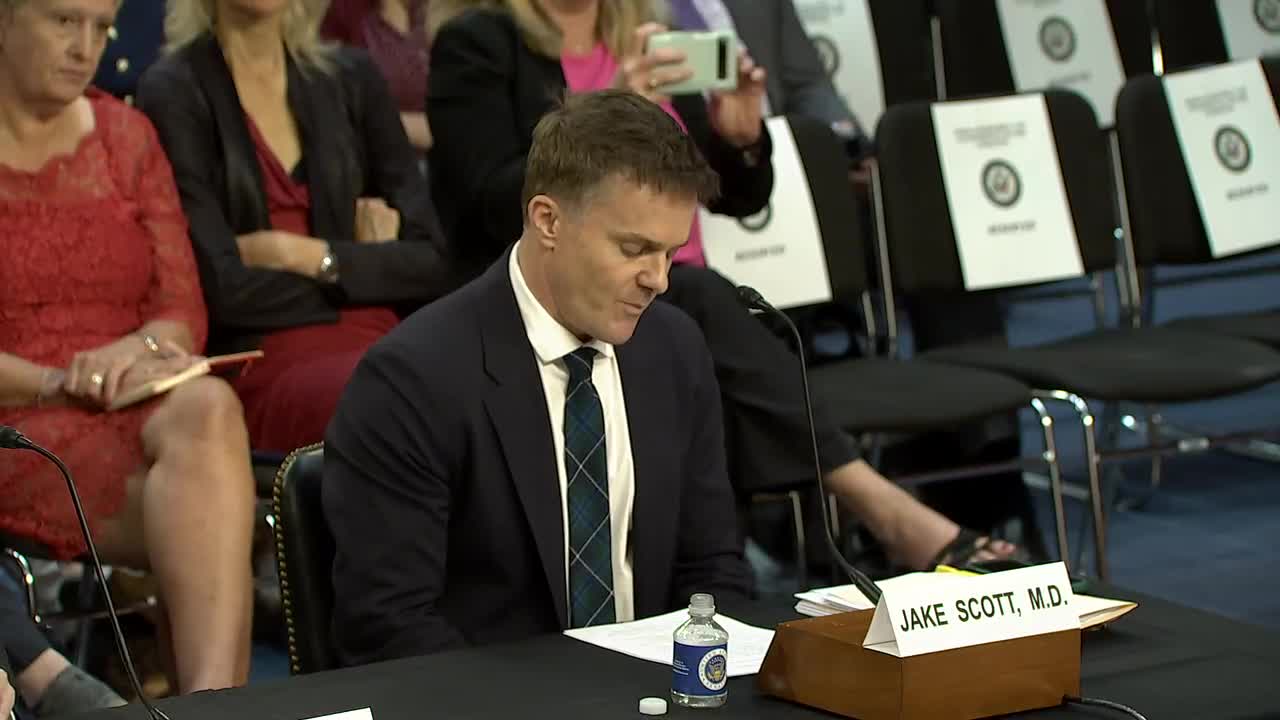
Stanford infectious‑disease physician Jake Scott described an open database his team compiled covering 1,088 randomized controlled vaccine trials dating from 1941 to 2025 and said 661 of those trials used inert placebo controls. "Every entry is publicly verifiable through PubMed links," Scott told the committee and said the catalog is intended to improve transparency.
Attorney Aaron Siri and researcher Toby Rogers challenged Scott’s interpretation. Siri argued that when the 661 trials are examined, most are irrelevant to routine childhood injected vaccines: "567 of these trials were not a routine injected vaccine for disease in the CDC's child's schedule," he said, and after excluding irrelevant populations and non‑US products, he said only three trials remained that could be said to use inert comparators for vaccines licensed for routine childhood use. Rogers added that placebo composition varied and that regulators and journals do not require saline placebos: "Inert should mean that the substance does not cause a chemical or biological reaction in the body," Rogers testified, and he said manufacturers and journals frequently used adjuvant or other non‑saline comparators.
The witnesses also disagreed on post‑licensure safety surveillance. Siri described a long FOIA fight to obtain the CDC’s v‑safe data and said the records showed about 10,000,000 people enrolled in the system early after rollout. Siri told the committee that the recovered v‑safe files indicated "7.7 percent of these vaccine enthusiasts reported needing medical care that they attributed most likely to the vaccine," and that many such entries represented emergency or urgent‑care visits. Stanford’s Scott said v‑safe as implemented (short, checkbox‑based daily follow‑ups) was not designed to detect many adverse events of interest and that multiple monitoring systems exist and can detect rare events.
On spontaneous reporting, witnesses noted limitations in VAERS. Siri cited an AHRQ‑funded Harvard study and said underreporting of adverse events to passive systems can be substantial; he told the panel the underreporting fraction could be "less than 1 percent" in some contexts, which he used to illustrate the difficulty of relying solely on VAERS counts for incidence estimates.
Senators asked whether trial documents relied upon at licensure are publicly available; witnesses said some trial reports required FOIA litigation to obtain. Scott and others said much vaccine data are publicly accessible but also acknowledged that not every dataset is easy to obtain and that independent researchers face hurdles in accessing trial‑level or registry datasets.
Ending — Witnesses agreed that transparency and independent replication are important but sharply disagreed about whether existing trials and surveillance are sufficient. Senators pressed for publication, data access, and better documentation about placebo composition and monitoring design.