Lifetime Citizen Portal Access — AI Briefings, Alerts & Unlimited Follows
Nominee Billy Kirkland pledges to uphold federal trust responsibility if confirmed
Loading...
Summary
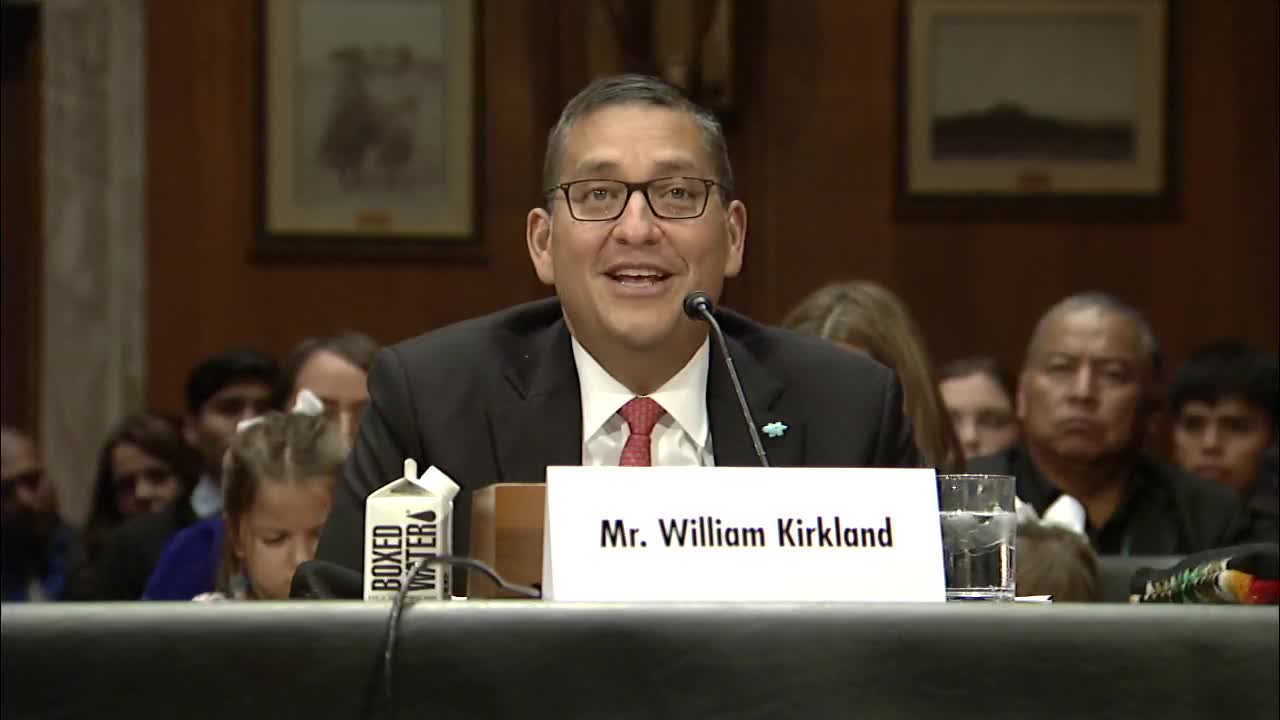
At a Senate Committee on Indian Affairs hearing, William "Billy" Kirkland, the president's nominee for Assistant Secretary for Indian Affairs, described his upbringing, cited prior White House work with tribal issues and said he would work with tribes and the committee to uphold federal trust responsibilities if confirmed.
WASHINGTON — William H. “Billy” Kirkland told the Senate Committee on Indian Affairs he would work to uphold the federal government’s trust and treaty responsibilities to American Indian, Alaska Native and Native Hawaiian communities if confirmed as Assistant Secretary for Indian Affairs. "My name is Billy Kirkland. I'm a proud member of the Navajo Nation," Kirkland said during his opening statement. Kirkland described his upbringing on Navajo land, his White House service and his stated approach to the job: consult with tribal governments, support self-determination and steward trust assets. Kirkland told senators he views the assistant secretary’s role as maintaining "government-to-government" relationships and advancing policies “responsive, respectful, and rooted in partnership.” He listed prior work he said was connected to Indian country during his White House service, including Operation Lady Justice and legislation he named — Savannah's Act and the Not Invisible Act — that target missing and murdered Indigenous people and violent crime on tribal lands. He also said he had worked to include tribal communities in the CARES Act and to advance opportunity zones in Indian Country. Those are claims he made to the committee and that senators probed during questioning. Why it matters: the assistant secretary for Indian affairs is the Senate-confirmed official responsible for programs administered by the Department of the Interior that affect federally recognized tribes and Alaska Native entities. The post carries statutory and fiduciary duties tied to land, trust assets, education, public safety, and infrastructure in tribal communities. Kirkland said he would rely on tribal leaders, past assistant secretaries and career staff to fill policy and legal gaps he does not personally hold. Kirkland emphasized a need for tailored policy across tribes, saying “1 size does not fit all” and described priorities he thought should top the office’s list, including probate reform, tribal relocation tied to climate threats, cleanup of contaminated tribal lands and addressing violence against Indigenous women and children. He repeatedly pledged to work with the committee and tribal leaders to implement the department’s trust obligations if confirmed. Committee next steps: Senators continued questioning on policy detail, ethics and program funding; the committee left the record open for additional questions for 24 hours and will decide later whether to advance the nomination to the Senate floor. The committee did not take a confirmation vote during the hearing.