Citizen Portal

Human rights nominee defends natural‑rights framework as senators press on DRL grant cuts, report changes and Uyghur forced labor

5752874 · September 3, 2025

Get AI-powered insights, summaries, and transcripts

Subscribe
AI-Generated Content: All content on this page was generated by AI to highlight key points from the meeting. For complete details and context, we recommend watching the full video. so we can fix them.

Summary

Riley Barnes, nominee to lead the Bureau of Democracy, Human Rights and Labor, told senators he would champion “inalienable rights” and defend religious freedom and free speech; senators pressed him on the department’s cancellation of nearly all DRL democracy grants, removal of sections from the State Department’s human rights reports, and

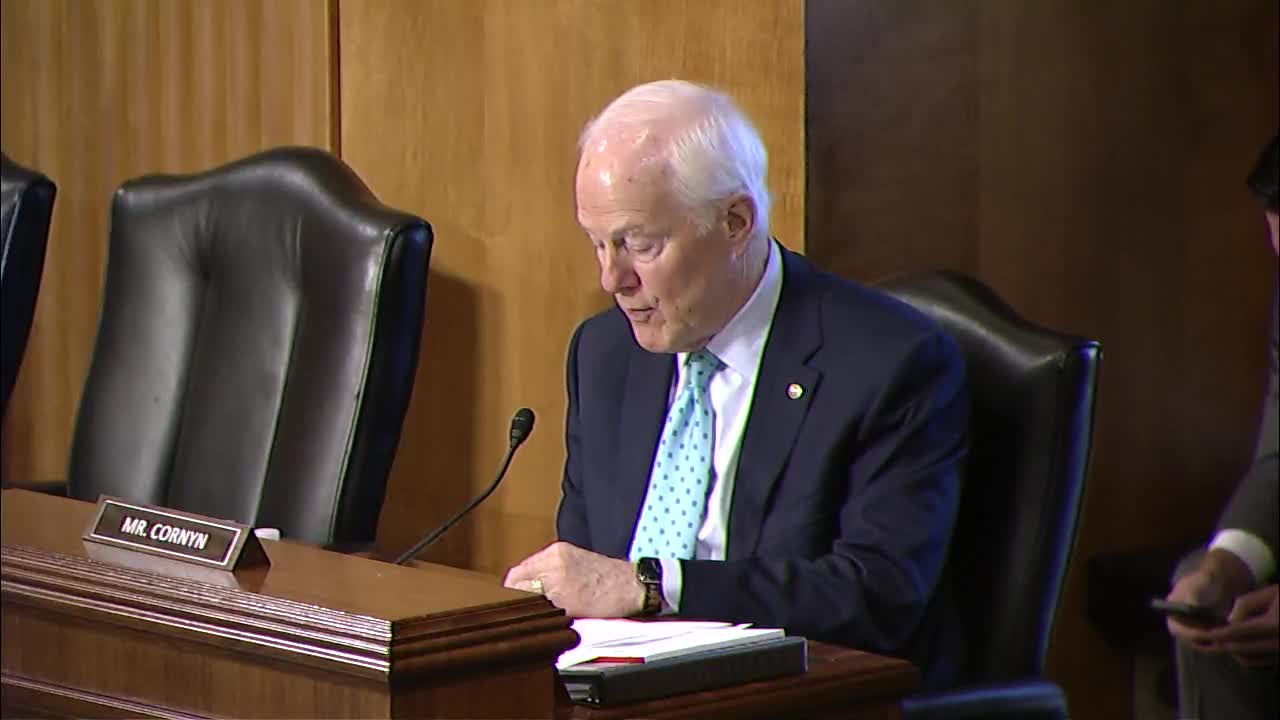
Riley Barnes, President Trump’s nominee for assistant secretary of state for democracy, human rights, and labor, said he would emphasize “inalienable rights” and defend religious freedom, free speech and protections against forced labor if confirmed. Senate Democrats and Republicans pressed Barnes on recent policy changes at the State Department, including steep cuts to DRL grants and revisions to the annual human rights reports.

Barnes told the committee the bureau’s mission must be grounded in a rights framework that his opening statement described as rooted in the Declaration of Independence. "All are created equal," he said, and he defended new organizational emphasis on a so‑called Office of Natural Rights. Senator Tim Kaine pushed back strongly on language in Barnes’ prepared remarks that rights are “endowed by their creator, not from our laws,” calling that framing potentially exclusionary and asking whether statutory protections and equal protection under U.S. law remain central to U.S. policy. Barnes said he meant to echo the Declaration of Independence and stressed he respects all faiths and people of none.

Democratic senators sought specifics about how Barnes would carry out DRL’s mission amid reported program cuts. Senator Chris Murphy noted that "389 of DRL's 391 democracy promotion grants have been canceled," and asked how Barnes could carry out commitments to civil society when grant funding had been largely cut. Barnes responded that he believed DRL staff continue to work on these topics and that the bureau can raise concerns privately and publicly "when it serves American interests." He said DRL can remain “the tip of the spear” on issues such as forced labor and human trafficking.

Senator Pete Ricketts asked Barnes about the Uyghur Forced Labor Prevention Act and reports that China is transferring Uyghurs out of Xinjiang into factories across China to evade detection. Barnes said he supports using DRL and diplomatic levers to close loopholes, work with international partners and press for enforcement of the law.

Barnes also pledged to lead offices that cover international religious freedom and the special envoy on antisemitism, and said the bureau would work to protect American workers from unfair foreign labor practices that undermine U.S. industry.

The hearing produced no committee vote. Senators said the committee would keep the record open for written questions and materials.

All direct quotations in this article are attributed to speakers listed from the committee hearing transcript.