Diplomatic security nominee warns of mission trade‑offs amid deputizations, vows candid resource assessments
Get AI-powered insights, summaries, and transcripts
SubscribeSummary
Todd Wilcox, President Trump’s nominee to lead the State Department’s Bureau of Diplomatic Security, told senators he will assess personnel and resources against the bureau’s core missions and be candid about trade‑offs after recent reassignments and deputizations.
Todd Wilcox, President Trump’s nominee to be assistant secretary of state for diplomatic security, told the Senate Foreign Relations Committee he would conduct a full assessment of personnel, infrastructure and organizational alignment and be “professionally candid” about resource trade‑offs if he cannot meet every assigned mission.
Wilcox emphasized three core lines of effort for the Bureau of Diplomatic Security (DS): embassy operations and security overseas, dignitary protection, and law‑enforcement investigations, and said he would shape personnel and resources to those priorities. He told the committee he will “hold everyone accountable to high standards of performance” and that any organizational changes would follow a thorough assessment.
Senators pressed Wilcox on what they described as strains on DS after reassignment of agents to domestic roles. Wilcox said he understood that “28 to 30 personnel” had been assigned to the Washington, D.C., task force and reported the bureau had “531 special agents here in the United States.” He said he would investigate assignments and be “very sensitive to mission creep.” He also said he would be candid with his chain of command about trade‑offs if additional tasks degrade overseas protection capabilities.
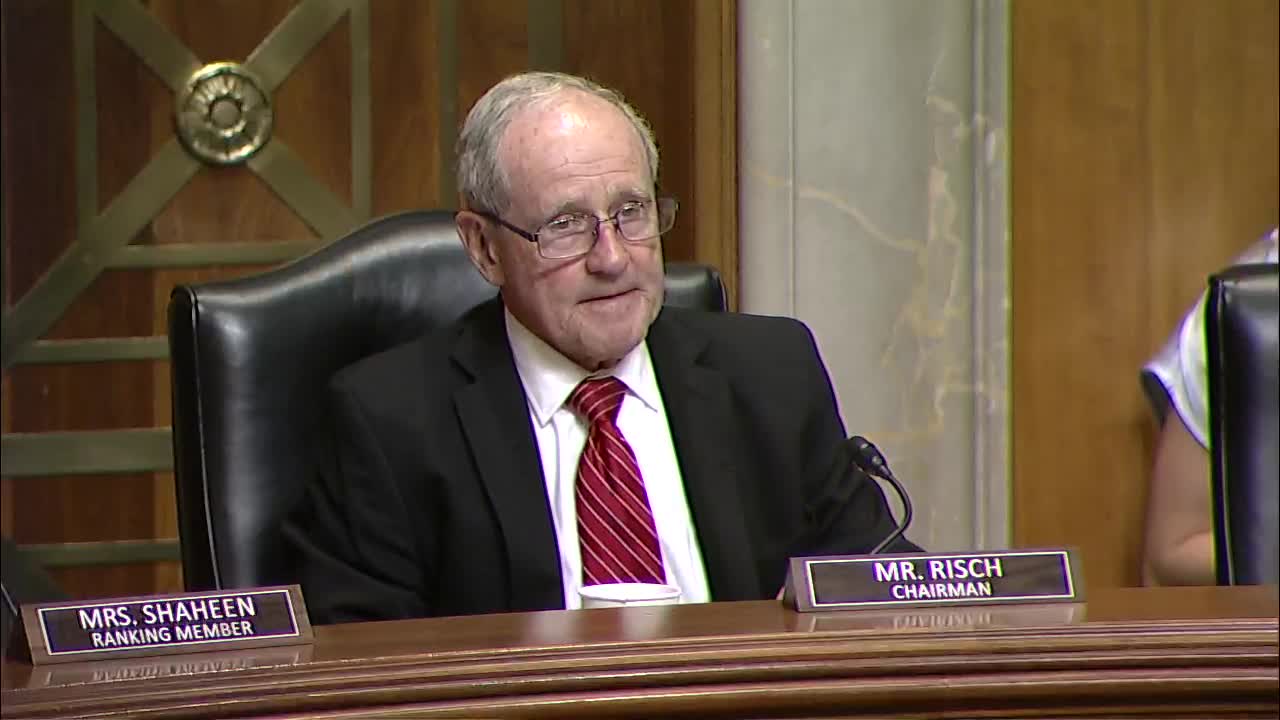
Ranking Member Jeanne Shaheen and other senators said that hundreds of DS agents had been deputized for domestic immigration enforcement under Department of Homeland Security authorities, citing broadly reported figures and expressing concern about stretched capacity. Shaheen noted earlier statements that about 600 DS agents had been deputized; Wilcox said he would assess actual operational impacts and allocate resources to highest priorities.
Wilcox also fielded questions about returning embassy operations to countries where diplomatic presence has been limited. He said U.S. personnel are making trips from neighboring posts to Syria and that return‑to‑post planning would require significant funding and threat assessments; he said he would come to Congress for funding as needed. "There will be a thorough assessment of what those threats look like," he said.
Wilcox described diplomatic security as a paramilitary organization with embedded law‑enforcement functions and said morale after personnel reductions is important. He said the bureau had relatively few direct furloughs in recent reorganizations but acknowledged broader departmental personnel impacts and pledged to be candid about the bureau’s needs.
No committee vote took place at the hearing; senators kept the record open for additional materials and questions.
Speakers quoted were those who raised DS resource issues during the public hearing.