Citizen Portal

Sergio Gore, White House personnel director, urges deeper U.S.-India trade, defense and technology ties if confirmed as ambassador to India

5752859 · September 11, 2025

Get AI-powered insights, summaries, and transcripts

Subscribe
AI-Generated Content: All content on this page was generated by AI to highlight key points from the meeting. For complete details and context, we recommend watching the full video. so we can fix them.

Summary

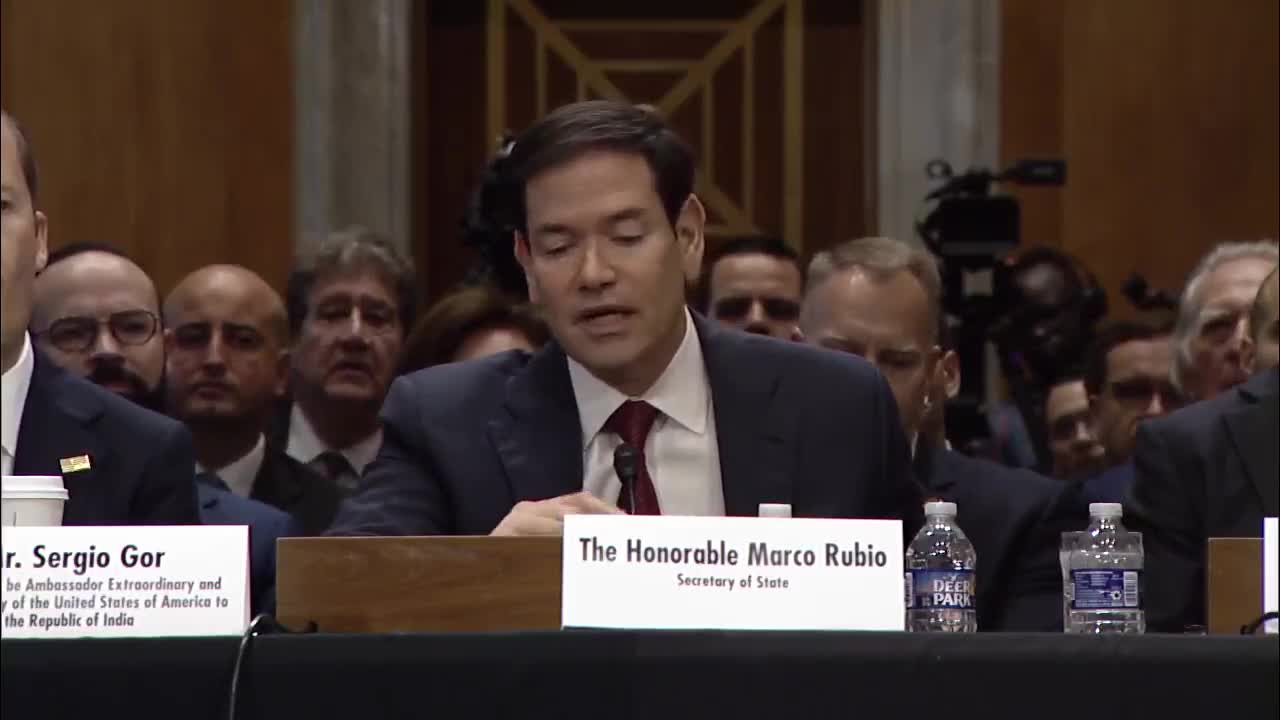
At a Senate Foreign Relations Committee hearing, Sergio Gore outlined priorities including expanded defense cooperation, trade liberalization, energy exports and Quad engagement. Senators pressed him on India’s purchases of Russian oil, tariffs and his role as a special envoy to South and Central Asia.

Sergio Gore, the White House director of presidential personnel and President Trump’s nominee to be U.S. ambassador to India, told the Senate Foreign Relations Committee on Sept. 11 that he would prioritize defense cooperation, trade liberalization, energy exports and technology ties if confirmed.

Gore said India’s geographic position, economic growth and military capabilities make it “a cornerstone of regional stability” and urged work toward the administration’s “Mission 500” goal to double bilateral trade to $500,000,000,000 by 2030. He also described his special-envoy role covering parts of South and Central Asia as a complement to career ambassadors in the region.

The nominee framed India as a partner for U.S. strategic and economic interests. “India is a strategic partner whose trajectory will shape the region and beyond,” Gore said in his opening remarks. He told senators he would press for expanded joint military exercises, co-development of defense systems, increased U.S. energy exports, and closer cooperation on artificial intelligence and semiconductors.

Why it matters: India’s size and strategic position make it central to U.S. policy in the Indo-Pacific. Gore’s testimony emphasized using diplomatic, commercial and security tools in tandem to counter competing influence in the region and to expand U.S. market access.

Key details from the hearing

- Defense and security: Gore said he would “prioritize deepening defense and security cooperation” with India, including expanding joint exercises and concluding critical defense sales. Committee members noted recent U.S.-India troop training and urged continuing that trend.

- Trade and tariffs: Gore acknowledged active trade negotiations and said the administration is “not that far apart” from Indian negotiators. He pledged to work on making India’s markets more accessible, telling senators he had been briefed on tariff and non-tariff barriers affecting U.S. agricultural and industrial exports.

- Energy: Gore said increasing U.S. crude oil, petroleum product and liquefied natural gas exports to India is a priority, framing energy sales as a tool to reduce third-party influence in global markets.

- Technology and the Quad: Gore said the administration will push technology cooperation under the U.S.-India Trust Initiative and support Quad cooperation, citing recent ministerial activity and a planned Quad meeting later in the year.

Senators pressed Gore on several points

- Russian oil purchases: Senators asked how Gore would push India to reduce purchases of Russian oil that can indirectly fund Russia’s war in Ukraine. Gore said the president has invited Indian trade ministers to Washington and that negotiations were ongoing. He added, “We hold our friends to a different standard. Frankly, we expect more from India.”

- Special envoy role: Chairman Risch and other senators asked how Gore’s role as a presidential special envoy for parts of South and Central Asia would interact with career ambassadors. Gore said he would “complement” rather than supplant career diplomats and would use his direct access to the president to raise high-level issues when appropriate.

- Staffing and personnel: Several senators pressed Gore about his tenure as director of presidential personnel. Gore described his office’s hiring record—he said the office filled over 95% of positions rapidly—and committed to working constructively with the State Department’s career foreign service, saying “the State Department has incredible talent built over many decades.”

What the record shows and what it does not

The hearing recorded Gore’s priorities and several specific administration goals (trade target, defense cooperation, energy exports). The committee discussion referenced pending trade negotiations and legislative proposals on tariffs, but no confirmation vote or final policy decision was taken at the hearing.

Ending

Gore left the hearing having outlined an agenda focused on expanding U.S.-India economic ties, deepening defense cooperation and leveraging his White House access. Senators signaled continued attention to trade details, energy policy and the integration of his special-envoy duties with existing diplomatic posts.