Get Full Government Meeting Transcripts, Videos, & Alerts Forever!
Get email alerts on the Traffic Safety Cameras topic
No spam. Unsubscribe anytime.
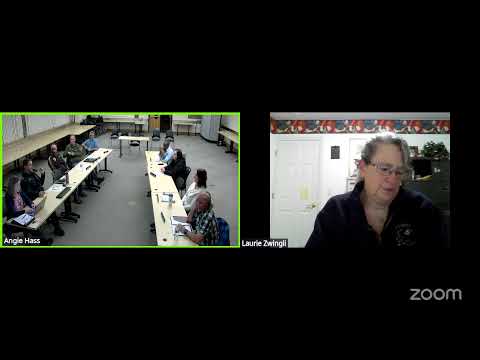
Traffic safety committee weighs Urban SDK pilot, calming measures and camera data after bridge work
Summary
Sherwood’s Traffic Safety Committee discussed a possible Urban SDK traffic analytics subscription, proposed traffic calming at the Lehi/Sunset/99 merge, speed and red‑light camera performance and recent vendor migration from Redflex to Vero Mobility.
Traffic Safety Committee members discussed new traffic‑data tools, hardware upgrades and local calming ideas at the advisory board meeting, including a planned budget request for an Urban SDK subscription that would give continuous GPS‑based traffic metrics.
A Traffic Safety Committee member described the product to the board: “This grabs all that data from phone, from car GPSs, and this company collects it all and then sells that analytics to cities,” and said it could show average speeds, time‑of‑day trends and year‑over‑year comparisons. Committee presenters said they expect to propose funding for a license in the next budget cycle and described a target of including it for July 1 budget consideration.
Committee members also raised a low‑cost traffic‑calming idea for the Lehi/Sunset/99 merge: graduated roadway rumble elements or raised markers placed in stages from the dotted merge line to the solid turn lane. One member estimated the physical inserts cost “like $40 a piece,” and said larger sizes could be used closer to the solid line to discourage unsafe lane changes.
The board reviewed automated enforcement statistics and camera performance. Presenters said the city’s speed and red‑light cameras are operating again and reported an overall processing yield near 96% after vendor review; they also noted a period of missing data during the vendor transition, with roughly 164 incidents flagged as missing in the backend review. The red‑light program has fewer violations than earlier years after changes such as removing some right‑on‑red captures, presenters said.
The vendor transition was explained: Redflex has been acquired and the operation is now handled by Vero Mobility, which required system upgrades and caused some initial video‑sync and flash issues. Committee members said the first review of camera captures is performed by the vendor and that the city then reviews candidate violations.
Members asked about linking camera enforcement to crash outcomes. A board member asked whether staff compare crash data before and after cameras were installed; committee presenters said they had not done a recent systematic comparison and accepted the request to review crash statistics for camera corridors such as Sunset.
The committee also discussed license‑plate reader (LPR) options for retail areas and the operational challenge of handling larger data sets; presenters warned that LPRs can generate high volumes of reads and would require staff and technical capacity to manage. The committee said mobile LPRs and fixed readers are under consideration alongside cost and privacy trade‑offs.
Finally, the advisory board noted organizational items: the Traffic Safety Board is expected to be formalized July 1 and the council will advertise openings for members. No formal votes or ordinances were taken at the meeting; presenters said they would return with budget figures and a cost proposal for Urban SDK and for any planned calming measures.