Get Full Government Meeting Transcripts, Videos, & Alerts Forever!
Get email alerts on the Municipal Finance Police Funding topic
No spam. Unsubscribe anytime.
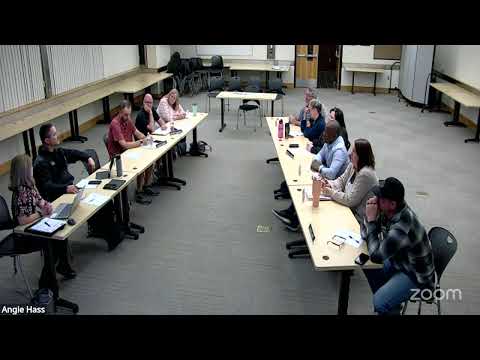
Sherwood board discusses possible police funding levy or fee, staff urges research and timing
Summary
Sherwood advisory members and city staff discussed options to shore up police funding including a per-household fee or a levy, with staff recommending a data-driven assessment and cautioning about timing amid uncertain statewide politics.
Sherwood advisory board members and a city staff presenter discussed options on how to shore up police funding, including a proposed per-household fee or a dedicated levy, and asked for comparative data from neighboring jurisdictions before moving forward.
The board heard that a small annual fee — roughly $10–$12 on about 6,600 households — would generate an estimated $800,000–$900,000 a year, which staff said could fund about six to seven additional officers and free general fund dollars for other city needs. “If you went out for a fee of sorts and 10 to $12 on 6,600 houses ... you're roughly 8 to $900,000 in revenue a year. That's probably 6 to 7 cops,” the staff presenter said. The presenter and board members repeatedly recommended researching how neighboring cities structure levies and fees before asking Sherwood voters to approve any new charge.
Why it matters: policing already makes up a large share of Sherwood’s general-fund spending, and staff and board members said shrinking revenue and rising costs make a proactive discussion necessary. The presenter said November elections can be advantageous for some city revenue measures in Sherwood because local rules limit how increases must be presented to voters outside the November window.
Board members expressed concern about timing and voter sentiment. “I think it would be a waste of effort to do the same kind of pull it with the little research that we did last time in this political climate,” one member said, urging a careful assessment given current statewide uncertainty. Another board member suggested focusing messaging on programs voters value, such as the mental-health response team, which staff said reduces use-of-force incidents and is popular locally.
The staff presenter recommended a step-by-step approach: (1) survey the landscape — examine levies/fees used by Tigard, Beaverton, Lake Oswego, Hillsboro and others; (2) wait until political headwinds settle so polling is not biased by transient events; (3) if appropriate, conduct a Sherwood community survey timed for a moment less affected by statewide campaigns. The presenter noted that new fees or any increase above a 2% threshold have special voter requirements in Sherwood depending on whether the measure is placed in May or November.
Board members and staff agreed to return with organized comparative data and to continue the conversation at a future meeting.
Ending: Staff said it would bring a comparative packet to the next meeting so the board can evaluate options and timing.