Get Full Government Meeting Transcripts, Videos, & Alerts Forever!
Get email alerts on the Procedural Rules Evidentiary Hearings topic
No spam. Unsubscribe anytime.
County clarifies evidentiary-hearing procedures in UDO; staff to clarify community-meeting practice
Summary
The board approved edits to the Unified Development Ordinance clarifying public participation procedures for evidentiary hearings and directed staff to clarify how community meetings are being implemented for special-use-related preliminary plats.
The Currituck County Board of Commissioners on Jan. 6 approved a text amendment to chapter 2 of the Unified Development Ordinance clarifying the process for evidentiary (quasi-judicial) hearings, distinguishing them from legislative public hearings and outlining how non-party witnesses may present sworn factual testimony.
Planner Meghan Turner said the amendment adds a reference to evidentiary-hearing procedures in the initial community-meeting notice for projects subject to special-use permits and clarifies the order of proceedings and participation rights. The county attorney drafted a citizen’s guide for evidentiary hearings that staff plans to update if the amendment is adopted.
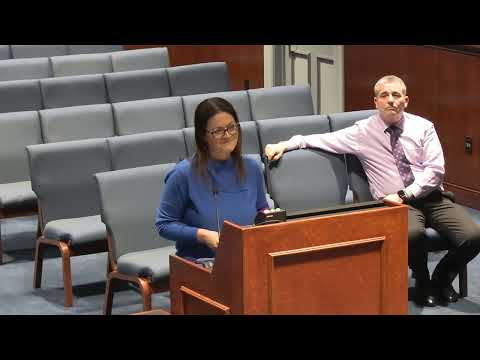
During public comment, resident Steve Hedrick raised a concern that the UDO’s community-meeting requirement could be interpreted to apply only to subdivisions larger than 50 lots; Hedrick asked that the county ensure smaller Type 2 preliminary plats have clear notice and community outreach. The county attorney and planning staff said the ordinance language (UDO section 2.3.0.3(c)) makes community meetings mandatory for conditional rezonings, planned developments, special-use permits and Type 2 preliminary plats, but staff acknowledged that practice has sometimes differed and agreed to clarify the county’s implementation and notify the board of recommendations.
A commissioner said the changes will “help the general public a little bit better to understand what their standing is” in quasi‑judicial proceedings. The board voted to approve PB 24-22 (Evidentiary Hearings text amendment). Staff will update the brochure, incorporate the new references into community-meeting notices and follow up on the community-meeting implementation question.