Get Full Government Meeting Transcripts, Videos, & Alerts Forever!
Get email alerts on the Parks topic
No spam. Unsubscribe anytime.
Jefferson City parks director flags budget shortfall, outlines $1M-plus projects and cost‑recovery steps
Summary
Parks staff told the council the department faces likely reductions and described capital priorities — Memorial Pool, an inclusive playground and trail work — with cost estimates and plans for grants, a foundation and cost‑recovery reviews.
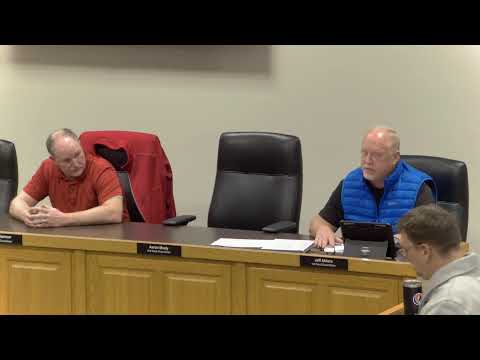
Jefferson City’s parks director told the City Council during a budget work session that the parks department is preparing for a likely budget shortfall and outlined which facilities and projects would be most affected.
The parks director said the department is pursuing cost‑recovery analysis, grant funding and more active use of the JC Parks Foundation to reduce pressure on the city budget. “We, as JC Parks, understands the need to make tough financial decisions, and we're committed to finding solutions and minimize [the] impact on services,” the director said.
Council members were presented with department spending breakdowns and multi‑year planning meant to prioritize maintenance over new construction. Parks staff reported department spending is roughly 35% salaries, 44% operating supplies and 22% capital projects, and that they have created a five‑year capital improvement subcommittee to sequence projects and identify candidates for postponement.
The director gave cost estimates for several high‑priority projects: extending Memorial Pool’s life is estimated at about $1.5 million; an inclusive, destination playground was estimated at $1.0–$1.5 million depending on selected features; an initial phase of botanical garden ADA improvements faces roughly a $500,000 shortfall; and Blacks (Bucks) Creek trail work, originally funded through a Transportation Alternatives Program (TAP) grant estimated at $1.0 million, may now cost $1.2–$1.5 million after recent hydraulic testing. Staff also said taking on the River Market will add roughly $125,000 annually in maintenance costs to the parks budget.
Parks staff described ongoing efforts to increase venue revenue and reduce subsidy needs. The parks director said venue bookings rose from three shows last year to 13 this year, and that the department subsidized venue shows by about $40,000 last year; the department has set a goal of breaking even or better this season. The department also plans to expand grant‑seeking and to use the JC Parks Foundation more regularly for fundraising rather than only annually.
On program fees, parks staff said they are conducting program‑level cost‑recovery analyses (for example, swim lessons) to determine whether fees should be adjusted and said fee changes are routed through advisory committees and the parks commission before council review.
Council members raised coordination concerns tied to projects that do not generate direct revenue — for example, trails funded by grants can increase wear on adjacent local roads and require close coordination with Public Works to avoid leaving neighborhoods to absorb repair costs. The parks director said staff and Public Works are meeting more often and that project teams will work to minimize downstream costs. The director also urged completing the TAP‑funded Blacks/Bucks Creek project rather than pulling out, noting that canceling a grant project can harm future grant prospects.
Parks staff described community engagement on the inclusive playground project: a survey launched the day of the meeting and a community forum scheduled for March 27 from 5:30 to 7 p.m. at McLung Park to review first‑round findings and identify preferred locations. The consultant selection process included representatives from the Special Learning Center and a community advocate to ensure accessibility needs and community input are incorporated.
Council members thanked parks staff for focusing on maintenance and early planning, and emphasized the need to balance non‑revenue amenities with the city’s limited revenue outlook.
Looking ahead, the parks director said the five‑year plan will continue to be updated as project needs change and that staff will return with more detailed cost‑recovery reports and grant strategies.