Get AI Briefings, Transcripts & Alerts on Local & National Government Meetings — Forever.
Public school insurance authority seeks premium increases to cover claims and boost prevention efforts
Loading...
Summary
The Public School Insurance Authority told senators it needs increased benefit and risk expenditure authority and said large recent hail/wind losses and concentrated high‑cost medical claims drive the request; the authority also highlighted prevention programs for misconduct and chronic conditions.
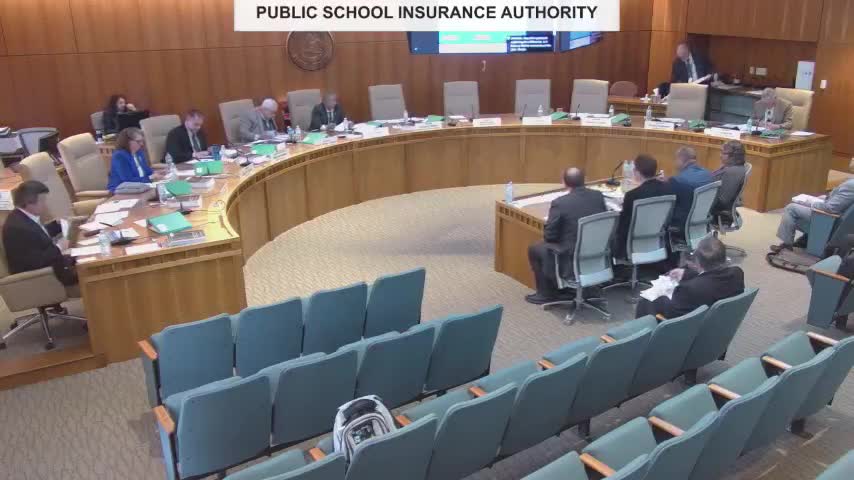
The Public School Insurance Authority (NIMSIA) presented Feb. 17 to explain a proposed increase in expenditure authority driven by rising medical and property claim costs and by a backlog of large weather‑related property losses.
Patrick Sandoval, NIMSIA director, and deputy director Martha Quintana described membership and recent claim trends: the pool serves about 77,900 employees and dependents and reported a sharp rise in high‑cost medical claim categories and in property losses tied to wind and hail.
Why it matters: the authority pays employer share increases for participating public school employers and manages risk insurance that school districts rely on. PED and the authority told the committee that shortfalls would increase employer premium contributions if not supplemented by a special appropriation.
Key financial drivers
- Medical benefits: NIMSIA requested increased benefits authority (presented increases ranged from about 9.5% to 10% in proposals) to cover rising utilization and the employer share for premiums. The authority reported a 7% increase in per‑member per‑month medical costs year over year and an 18.7% increase in prescription costs driven in part by oncology and GLP‑1 medications.
- Property and wind/hail losses: from FY2019–FY2023 members suffered roughly $65.5 million in hail and wind damage; projected excess insurance recoveries for those losses are about $54.5 million. As a result, the authority’s self‑insured retention increased from $2.5 million to $10 million and an aggregate retention of $25 million for FY24.
- Concentration of claims: the authority reported that 15% of members account for about 81.5% of claims costs.
Loss prevention and program responses
NIMSIA highlighted several initiatives to reduce claim risk: strengthened background checks and misconduct reporting under House Bill 128, procurement of an anonymous reporting tool (StopIt Solutions) and targeted clinical programs with pharmacy benefit managers (for example, a Transform Diabetes Care service through CVS) and wellness outreach from health plans.
Committee questions and funding options
Committee members pressed NIMSIA on whether existing prevention programs are producing measurable results and asked for more data on participation, outcomes and age distributions. Quintana said the authority is tracking more data and has launched targeted outreach to identify members who have not engaged in preventive services.
NIMSIA reported a proposal for a special appropriation to cover fund balance deficits in benefits and risk funds; officials said they had drawn down long‑term investments to pay claims and had increased premiums for members in the prior board cycle but are seeking supplemental appropriations to avoid larger premium increases in the near term.
Ending note
Officials said they expect to provide more detailed five‑year projections to the board and will present additional data about prevention program performance and claims concentrations at upcoming meetings.