Lifetime Citizen Portal Access — AI Briefings, Alerts & Unlimited Follows
Committee backs bill to aggregate embezzlement offenses for prosecution
Loading...
Summary
The Judiciary Committee recommended a do‑pass for a bill that authorizes prosecutors to aggregate multiple embezzlement or conversion incidents involving the same victim into a single charge so penalties reflect the total harm.
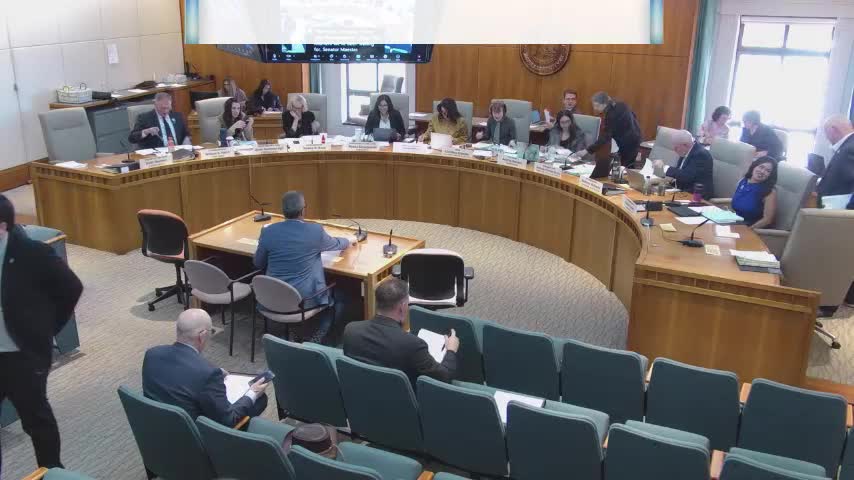
The House Judiciary Committee recommended passage of Senate Bill 155, which would clarify that multiple embezzlement or conversion acts against a single victim may be aggregated into a single criminal charge that reflects the total amount taken.
Sponsor Senator Jacob Maestas told the committee the measure is intended to close a prosecutorial gap that can result in many small, separate charges spread across courtrooms and judicial districts rather than one consolidated prosecution that captures the full scope of harm to a victim. Supporters said aggregation gives investigators and prosecutors more efficient tools and helps ensure restitution and accountability.
Speakers in support included the Greater Albuquerque Chamber of Commerce and the governor’s office public‑safety adviser, who said that aggregation statutes for retail theft have proven useful and that the same principle should be extended to embezzlement.
The public defender’s office said it does not actively oppose the bill but urged the committee to consider common‑law doctrines (such as the single‑larceny rule) and flagged the importance of preserving due‑process safeguards. The Sentencing Commission indicated unanimous support at its review.
The committee approved a do‑pass motion for SB 155 as amended. Supporters argued aggregation would improve prosecutorial efficiency and better reflect the total harm suffered by victims in multi‑occurrence embezzlement schemes.
What’s next: The bill proceeds to the House floor with a committee recommendation; proponents said they will work to ensure statutory language preserves constitutional protections while making prosecution practicable.