Get Full Government Meeting Transcripts, Videos, & Alerts Forever!
Get email alerts on the Municipal Budgeting topic
No spam. Unsubscribe anytime.
City of Dallas budget committee reviews calendar, process ahead of May hearings
Summary
City Manager Brian Ladd briefed the City of Dallas Budget Committee on the budget document structure, key dates and legal requirements for the Fiscal Year 2026 budget, saying the proposed budget will be published to the committee and public on May 6 and the committee’s first public hearing is scheduled for May 12.
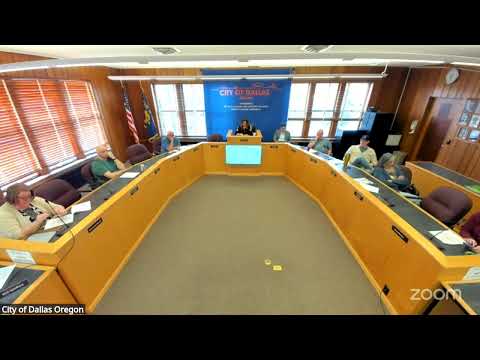
City Manager Brian Ladd gave a training and orientation to the City of Dallas Budget Committee on the city’s budget process, calendar and the structure of the budget document, saying the proposed Fiscal Year 2026 budget will be made available to the committee and the public on May 6 and the committee’s first public hearing is scheduled for May 12 at 6 p.m.
The training explained the budget’s dual role as a financial plan and a legal document that creates spending and taxing authority. Ladd said the city’s fiscal year runs July 1 through June 30 and that the budget committee will review the proposed numbers before the city council conducts its June hearings and adopts the final budget before June 30. “Without an approved budget, we don't have the ability to tax. We don't have the ability to spend money,” Ladd said.
Ladd walked members through the budget document’s “number sheets,” which show three years of historical figures, last year’s amended numbers and the proposed column the committee will review. He described the city’s fund structure — general, special revenue, enterprise, internal service, trust/agency and debt service funds — and noted that the general fund is the only unrestricted fund. He explained capital thresholds (one‑time purchases over $10,000 are capital), the city’s unappropriated ending fund balance target (10% of operating revenues, excluding debt and interfund loans) and that the city’s total budget this past year was just under $70 million.
Ladd also flagged two items that will appear in the proposed budget: a nearing payoff on the city’s outstanding pension-related long-term debt and a police station bond measure that will appear on the May ballot. He said the police station bond will be included in the proposed budget because the committee’s review occurs before the public vote; if voters do not approve the bond, the related revenues and expenditures will be removed from the adopted budget.
Ladd reviewed the budget calendar: proposed budget published May 6; budget committee hearings May 12 (first meeting), with potential continuation May 14 and May 19 if needed; city council public hearings in mid‑June (June 16 noted for a hearing) and submission of required LB forms to the state before June 30. He encouraged committee members to submit questions to staff prior to the May 12 meeting to help staff prepare answers. “If you have questions ahead of the meeting, I highly encourage you to get ahold of me,” Ladd said.
The session included procedural reminders: a quorum of 10 individuals is required for the committee to meet, committee approval is required before the council’s review, and any approved appropriations establish the city’s legal spending authority. Ladd pointed committee members to state resources for additional detail, including the Secretary of State’s publications "Local Budgeting in Oregon" and the state’s local budgeting manual, and explained the LB 50 form that staff will submit to create authority to levy taxes.
The committee did not take formal action at the training; the meeting functioned as an orientation and schedule review ahead of the formal budget hearings in May and June.