Get Full Government Meeting Transcripts, Videos, & Alerts Forever!
Get email alerts on the Council Rules Procedure topic
No spam. Unsubscribe anytime.
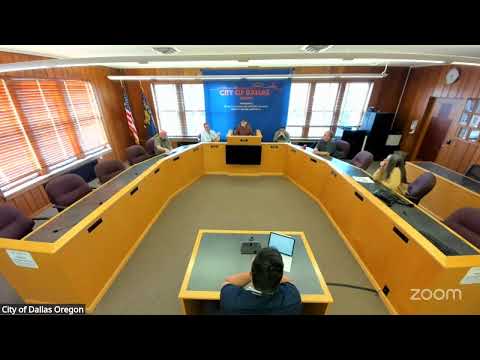
Dallas committee directs city attorney to draft revised council rules covering devices, attendance and vacancy process
Summary
The Dallas Administration Committee voted unanimously to ask the city attorney to draft a resolution updating the council rules of procedure to memorialize a handheld device policy, clarify public-comment residence disclosure, and add a formal process for filling council vacancies.
The Dallas Administration Committee moved unanimously to direct the city attorney to draft a resolution adopting proposed changes to the council rules of procedure, including a new process to fill council vacancies and language addressing handheld electronic devices and public-comment disclosure.
The action came at the committee meeting after staff reviewed several proposed edits and members debated attendance rules, “good cause” excuses and whether the council can impose fines for unexcused absences. Committee members also agreed to memorialize the practice of asking speakers during public comment to state whether they reside inside Dallas city limits rather than giving a full street address.
Why it matters: The proposed changes would codify several practices already used in meetings, clarify how absences are excused under the city charter and add a defined application-and-presentation process for filling council vacancies so the council’s procedure is less discretionary.
City attorney Justin briefed the committee on the limits set by the charter and on draft rule language drawn from outside examples. The charter language cited at the meeting treats an office as vacant if a councilor “is absent from the city for 30 days without the consent of the council or upon the absence of means of the council for 60 days.” Committee discussion repeatedly returned to the difference between that charter threshold and possible rule-based penalties such as fines for repeated unexcused absences.
Councilors debated enforcement options and practicality. One councilor said there is little appetite to require medical verification and that fines risk being difficult to apply if a member repeatedly claims sickness. Another suggested treating attendance as a percentage requirement (for example, 75% attendance) and applying a year-end reconciliation and penalty if the threshold were not met. Legal counsel noted the charter sets the vacancy standard and that any rule imposing removal would conflict with voter-approved charter provisions; non-removal sanctions such as a fine or reprimand remain within council discretion.
On vacancy procedures, the committee asked staff to add a formal application process: public notice of a vacancy, a written application with specified questions, an opportunity for each applicant to give a five-minute presentation with no follow-up questions, and then a council vote. Committee members emphasized leaving an escape clause allowing the full council to modify the process if it so chooses.
The motion to send the draft resolution to the full council for consideration in April was read aloud and placed on the record. Committee members voted “aye” and the motion passed unanimously.
Next steps: Justin, the city attorney, will prepare a resolution that incorporates the discussed changes and the vacancy application process for full council consideration at a future meeting.