Get Full Government Meeting Transcripts, Videos, & Alerts Forever!
Get email alerts on the Education Funding topic
No spam. Unsubscribe anytime.
Students, educators and municipal leaders warn of ‘education funding crisis’ as chapter 70 falls behind inflation
Summary
Students, parents and municipal officials told the Joint Committee on Ways and Means that state education funding has not kept pace with rising costs and that cuts proposed or already implemented this year will force further layoffs, larger class sizes and the loss of electives and specialized programs.
Students, parents and school officials from across Massachusetts told the Joint Committee on Ways and Means that the state’s K–12 funding formula is delivering insufficient dollars and is forcing deep staff cuts, larger class sizes and program eliminations.
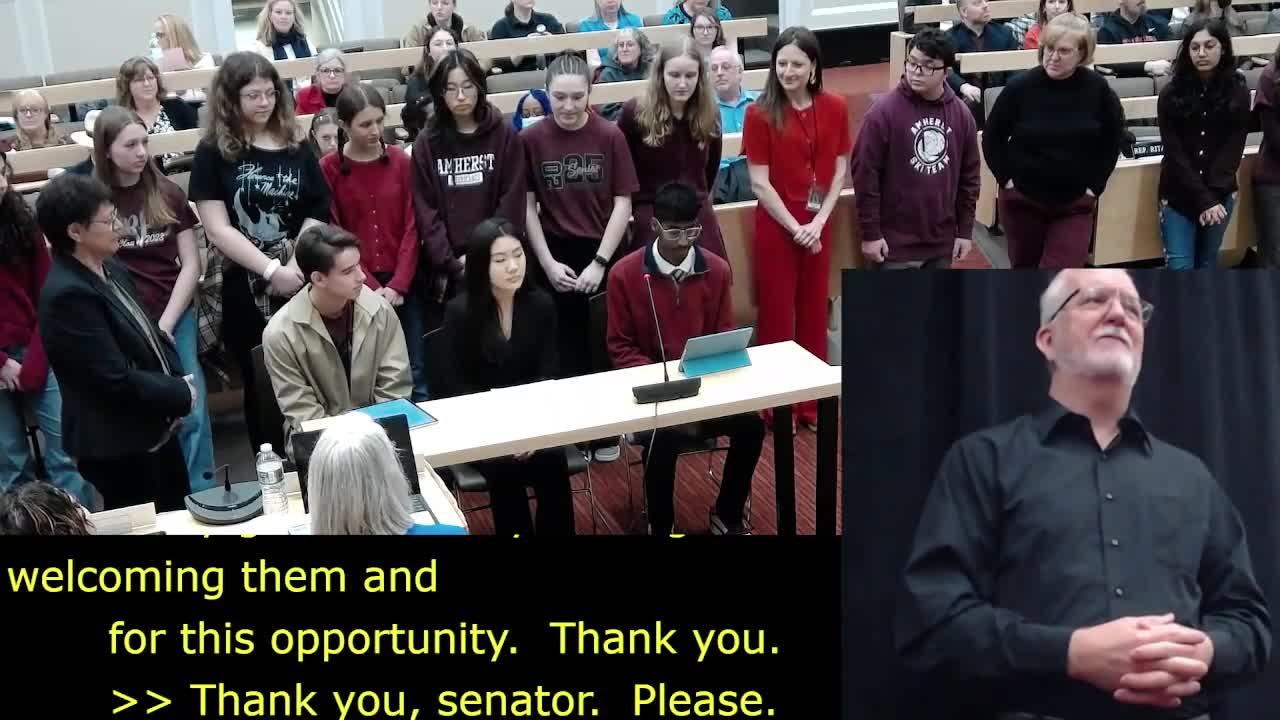
Speakers from Amherst Regional High School, Northampton High School and dozens of small and regional districts described recent layoffs and proposed reductions. “Electives are a cornerstone of opportunity,” Amherst student Yatharth Rajakumar told the committee. “Cutting electives…means losing passion, motivation and opportunities that could shape our futures.”
The testimony combined three recurring demands: (1) higher Chapter 70 funding tied to real inflation; (2) full reimbursement for special‑education costs (the “circuit breaker”) and for in‑district transportation; and (3) dedicated aid for small and rural districts that face higher per‑pupil costs. “Our district is facing a $2 million gap,” said Cesar Nuzzolo, chair of the Lunenburg Select Board, describing votes to lay off dozens of school employees after an override last year. Northampton students and trustees urged changes to the state funding formula, noting repeated cuts, rising caseloads for guidance staff and large elementary class sizes.
Municipal leaders and superintendents added specifics: Brad Morgan, superintendent of North Middlesex Regional, said his district absorbed out‑of‑district special‑education placement increases totaling nearly $2 million this year and has already cut staff to pass a budget. Matthew Nugent, a Beverly teacher and advocate, urged the committee to advance bills that would adjust the Chapter 70 inflation index and accelerate transportation reimbursements. Teacher and union leaders warned that pay and staffing pressures threaten recovery from pandemic learning losses and teacher retention.
Why it matters: Schools across the state are funded through a mix of Chapter 70 aid, local levies and targeted programs (special education, transportation and “whole child” grants). Many speakers said the current structure — especially the pace of Chapter 70 increases and the “hold‑harmless” adjustments that leave hundreds of districts at low funding levels — does not reflect rising costs or local needs. Multiple student panels and delegates urged the committee to act this budget cycle to avoid further cuts.
What the committee heard and asked for: Requests included technical fixes to the Chapter 70 inflation formula (bills H678/S388), immediate funding to raise minimum per‑pupil aid, full funding of circuit breaker reimbursements, multi‑year funding to phase in full transportation reimbursements, and a $60 million request for rural school aid recommended by a legislative commission. Several speakers also urged the Legislature to preserve funding for whole‑child mental‑health and counseling positions.
Looking ahead: Committee members acknowledged the problem and asked witnesses for written testimony and local data. Several speakers submitted override histories and line‑by‑line budget impacts. Lawmakers said some fixes could be taken up in the FY26 budget while larger formula overhauls would require a separate legislative process.
Ending: Educators and students left the hearing urging the Legislature to prioritize durable, predictable support: “A child is only in third grade once,” said Groton‑Dunstable parent and school committee member Lacey McCabe. “We need a system that reflects that urgency.”