Get Full Government Meeting Transcripts, Videos, & Alerts Forever!
Get email alerts on the Offshore Wind topic
No spam. Unsubscribe anytime.
Cape Cod lawmakers press state on offshore wind siting, cables and fisheries; administration says industry can be safe
Summary
Lawmakers and residents at the Joint Committee hearing raised concerns about offshore wind turbines, undersea cables, local substations and impacts on fisheries and drinking water. Secretary Tepper and agency commissioners said the state aims to ensure rigorous siting review, mitigation conditions and stakeholder engagement.
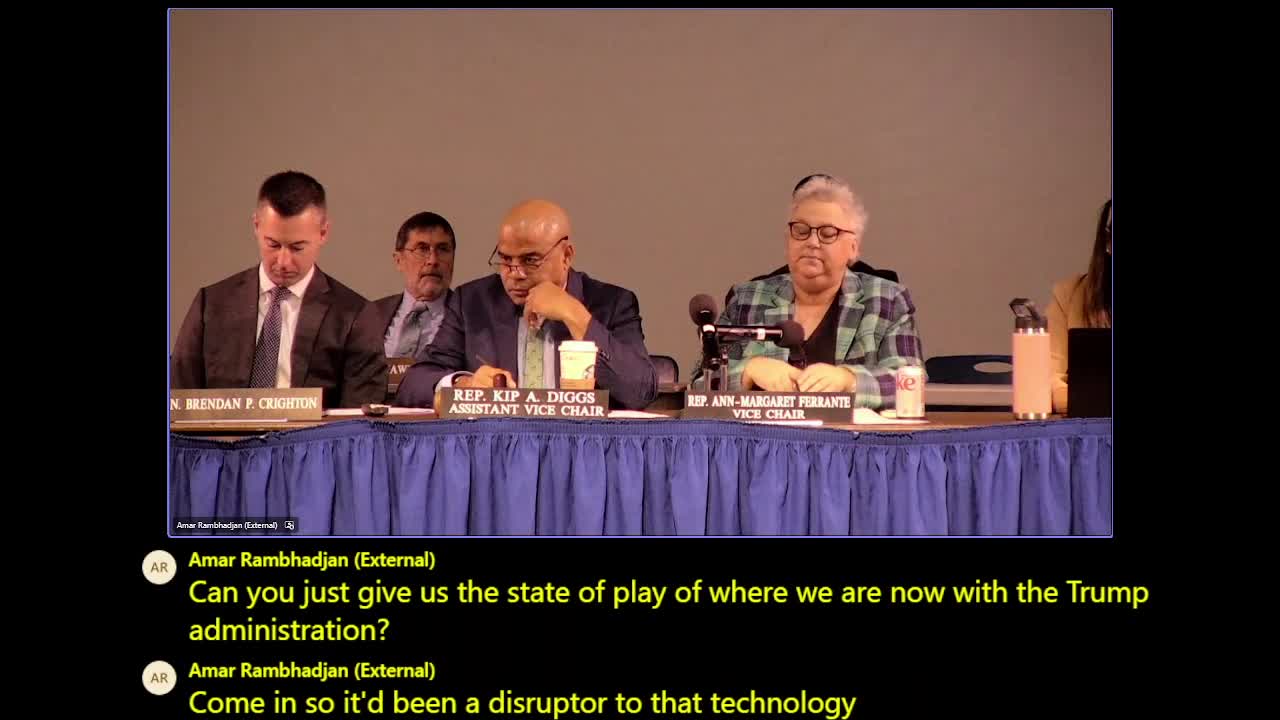
Cape Cod delegates and other legislators used Tuesday’s Joint Committee on Ways and Means hearing to press state officials on offshore wind projects, undersea cable routes, and local substation siting that they said could affect beaches, fisheries and sole‑source aquifers.
Representative [name], speaking from Cape Cod, said constituents worried that submarine cables and on‑shore substations could “industrialize the ocean” and risk the region’s tourism and drinking water supply. He asked whether the H1 budget contained any funds to help towns respond to or mitigate potential offshore wind impacts.
Secretary Rebecca Tepper responded that offshore wind development is not new globally and that Massachusetts has conducted extensive scientific and stakeholder review through federal and state processes. She told the committee that the Energy Facilities Siting Board and federal leasing processes include mitigation requirements and the adjudicatory review “where evidence is presented, and decisions are made” and that developers can be held responsible for required mitigation.
On fisheries, Commissioner Tom O’Shea (Fish and Wildlife) described uncertainty arising from federal regulatory processes and a regulatory freeze at the federal level. He said the Commonwealth intended to press federal agencies and to work with the Atlantic States Marine Fisheries Commission to support commercial fishing, noting the state’s role in raising the issue with federal partners.
Committee members asked whether the H1 budget includes programs to respond to accidents at substations or cable faults. Tepper said substations generally are owned and insured by utilities and that developers and utilities are required to cover mitigation and response costs under permitting and licensing conditions. She said the administration would continue public outreach and rigorous permitting at state and federal levels.
Why it matters: Offshore wind is a major source of projected clean energy for Massachusetts, but it also requires on‑shore infrastructure and undersea transmission that can affect local economies, fisheries, and environmental resources. Local officials want assurance that siting, permitting and mitigation will protect drinking water and marine resources.
What comes next: Officials offered to continue site visits and local meetings. Lawmakers requested more briefings and direct engagement with agency staff and commissioners.
Ending: The administration said it would continue to engage communities, enforce permit conditions and press federal partners about regulatory timelines affecting fishing seasons and other impacted sectors.