Parents, ed‑tech leaders and districts back student‑data privacy bill and a state education‑to‑career data center
Loading...
Summary
Witnesses at a Joint Committee on Education hearing supported legislation to set statewide student and educator data privacy standards and to create an education-to-career data center, while urging stronger enforcement, parental notice and clear definitions of permitted use.
BOSTON — As school districts increasingly rely on digital tools, witnesses told the Joint Committee on Education they support state standards that protect student and educator privacy, but they urged precise statutory language, stronger oversight and parental notice.
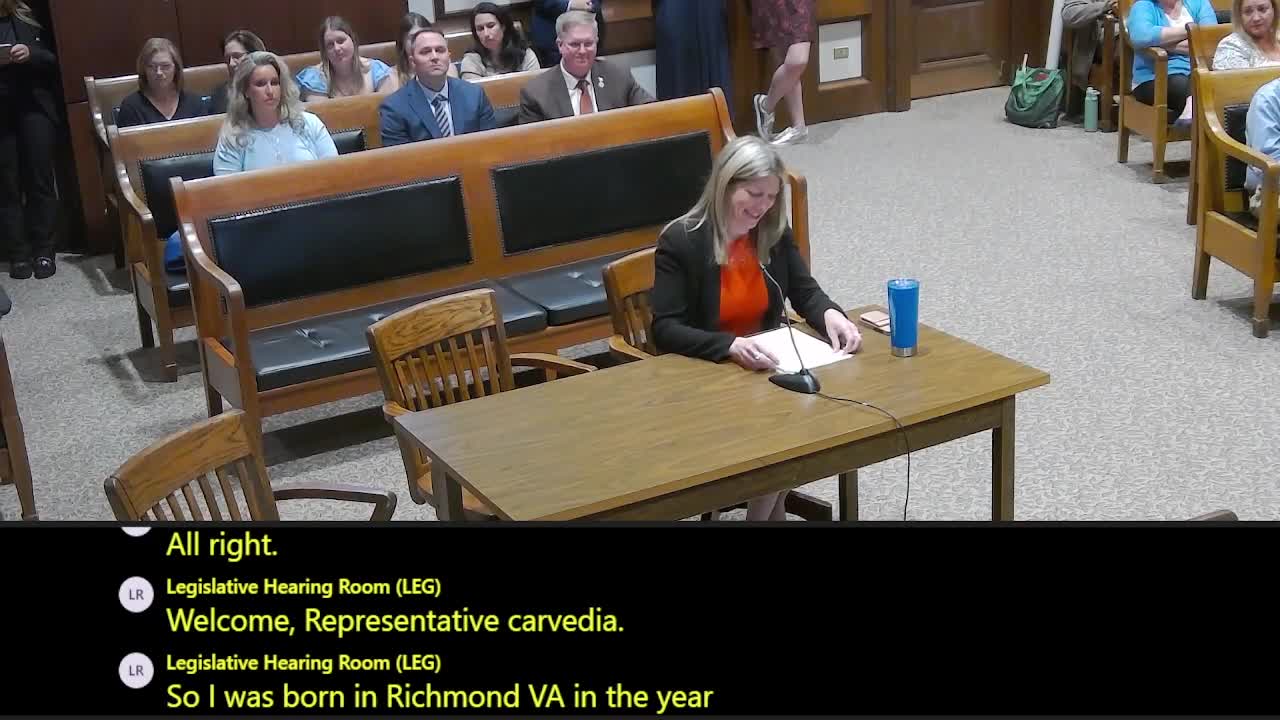
Representative (testifying sponsor) summarized the Student and Educator Data Privacy Act as a way to bring Massachusetts in line with other states and to require vendors to limit data use to K‑12 educational purposes. Supporters testifying included district technology directors, parents and nonprofit policy groups; they urged the committee to combine strong privacy protections with a practical, centralized governance model to allow controlled, lawful research and program evaluation.
Key points: Jen Judkins, Wayland Public Schools director of technology, told the committee that Massachusetts is one of the few states without comprehensive student privacy law: "Every time we add a new platform, this increases risk of exposure," she said, and described small IT staffs in districts that struggle to vet and manage vendor contracts. She testified that clear statutory standards would help districts negotiate contracts and protect students.
Concerns raised: Other witnesses asked for limits and clarity. Jeffrey Miller, a parent from Arlington, recommended narrowing permitted data collection, requiring verified parental consent for sensitive fields, and adding independent audits and enforcement provisions. Some witnesses urged clear definitions of "K‑12 school purposes" to avoid broad commercial reuse.
Complementary data infrastructure: Witnesses also supported H.630, which would create a state education‑to‑career data center to allow longitudinal evaluation of education and workforce outcomes while safeguarding personal data through governance standards. Business and research groups said such a center could help evaluate whether education investments and career pathway programs achieve intended results, provided privacy protections are robust.
Why it matters: Statewide minimum standards would reduce contract-by-contract variation, help districts that lack legal or procurement capacity, and provide parents clearer notice and recourse. At the same time, a centralized, governed data system could produce evidence for lawmakers about what programs work and where state resources yield the best outcomes.
Committee context: The committee heard a mix of technical suggestions and broader policy endorsements. Chairs indicated they would incorporate feedback and that the bills would remain under review.
Ending note: Testimony stressed balance: protect student privacy and personal information while preserving the Commonwealth’s ability to evaluate programs and use aggregated insights to improve policy and student outcomes — but do both with enforceable standards and transparency to families.