Get Full Government Meeting Transcripts, Videos, & Alerts Forever!
Get email alerts on the School Funding topic
No spam. Unsubscribe anytime.
Lawmakers, educators and mayors urge fix to Chapter 70 inflation cap as districts face cuts
Summary
At a Joint Committee on Education hearing, dozens of school officials, educators, parents and local officials said the 4.5% cap on the Chapter 70 inflation adjustment is forcing layoffs, program cuts and school closures in many Massachusetts districts and urged the Legislature to act.
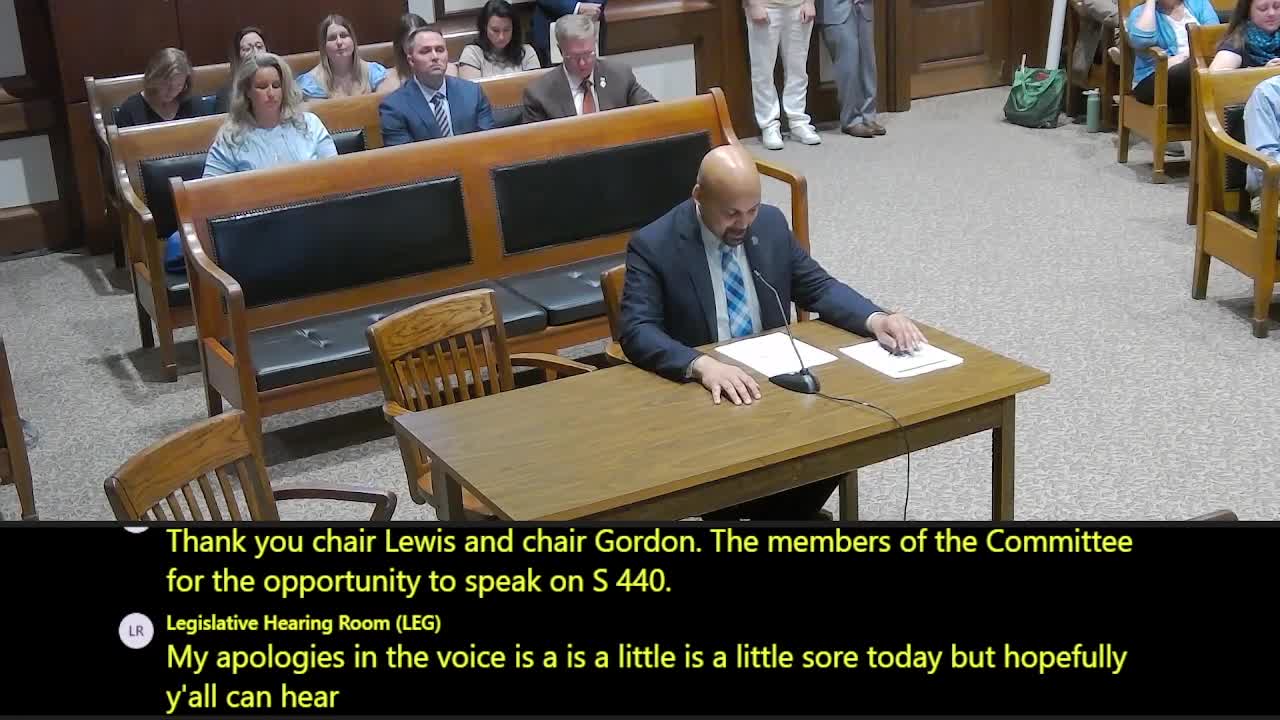
BOSTON — At a hybrid hearing of the Joint Committee on Education, school leaders, municipal officials, teachers and parents urged the Legislature to correct what they called a technical but consequential flaw in the Chapter 70 school-funding formula that has left hundreds of school districts underfunded after recent high inflation.
Supporters said the cap on the inflation adjustment — set in the statute at 4.5% — prevented districts from receiving the full dollar value of the Student Opportunity Act (SOA) increases during years of unusually high inflation, creating a persistent shortfall that now forces staff layoffs, program cuts and school closures.
"The SOA promised Chelsea the opportunity to build, not to cut," said Sarah Neville, a Chelsea school committee member. "The inflation cap removes, in effect, $7,000,000 from our budget every single year — Chelsea is the most affected district on a per‑student basis at $1,200 per student."
Why it matters: The Student Opportunity Act directed substantial new state aid to districts with higher needs. Witnesses said that when inflation spikes beyond the statutory cap, the aid that districts expect is not fully indexed to real costs. That unrecovered amount becomes a recurring shortfall in future budgets, forcing districts either to raise local taxes through overrides or make unilateral reductions in staff and services.
What witnesses said: Testimony came from a wide range of communities and stakeholders. Mayor Nicholson of Lynn told the committee the city had obtained some recent funding increases but still faced aging buildings and limited local capacity to make up the difference: "We're asking for the state's help in taking a serious look at how these educational settings are funded," he said. Superintendent Brad Morgan of the North Middlesex Regional School District described cuts already taken: "This year, we are already $2,000,000 over budget... we reduced our budget by $1,000,000 in order for it to be passed by our three member communities," he said, and warned that additional cuts would push class sizes toward 40 in some grades.
Union and classroom voices echoed the pressures. Jon McGinnis, political director for the Boston Teachers Union, called for changes to charter reimbursement and transportation reimbursements in addition to Chapter 70 adjustments, saying that the largest districts face unique capital and operating challenges. AFT Massachusetts and multiple local teachers' union leaders urged changes that would allow districts to recover amounts lost during the high-inflation years and to prevent future erosion of purchasing power.
Legislative proposals: Multiple bills and budget amendments were discussed. Senate Bill 345 (S.345) and related House measures would eliminate or modify the 4.5% cap and provide mechanisms to make up funding lost in years when inflation exceeded the cap. Chair Lewis introduced S.400, a proposal to convene a commission to study the foundation formula comprehensively. Proponents said the commission model would allow the state to address longer-term structural issues — municipal share calculations, declining enrollment in rural regions, and the interaction of Chapter 70 with other state funding streams.
Local impacts and tradeoffs: Witnesses from gateway cities and rural regional districts stressed different consequences. Chelsea officials said the net loss was concentrated and immediate, while representatives from rural regional districts warned that declining enrollment, fixed overhead costs and small tax bases make local overrides impractical. "Rural schools are the canary in the coal mine," said a Frontier region representative, noting that fixed costs make small districts inherently less efficient on a per-student basis.
Committee context and next steps: Committee chairs said they were collecting testimony on a number of related bills and amendments. Several witnesses asked the committee to pair any change to the inflation index with a review of the municipal contribution calculation so that shifts in required local share are addressed in tandem. The committee closed the hearing on the bills but took extensive testimony for the record and flagged the funding items as high-priority for follow-up.
Ending note: Testimony made the hearing a de facto countertop of local distress and state policy options: superintendents described schools already pared to the bone; union leaders warned of staffing crises; and local officials asked for both an immediate correction to the inflation shortfall and a longer-term commission to study structural fixes.