Get Full Government Meeting Transcripts, Videos, & Alerts Forever!
Get email alerts on the Short Term Rental Safety topic
No spam. Unsubscribe anytime.
Mass. lawmakers hear emotional calls to require smoke/CO checks for short‑term rentals after fatal fire
Summary
Families and lawmakers urged the Joint Committee on Public Safety and Homeland Security to advance the Maggie Hubbard Rental Safety Act, a bill that would require inspections and platform verification of smoke and carbon monoxide detectors in short‑term rentals after a deadly fire in which a mother and her infant daughter died.
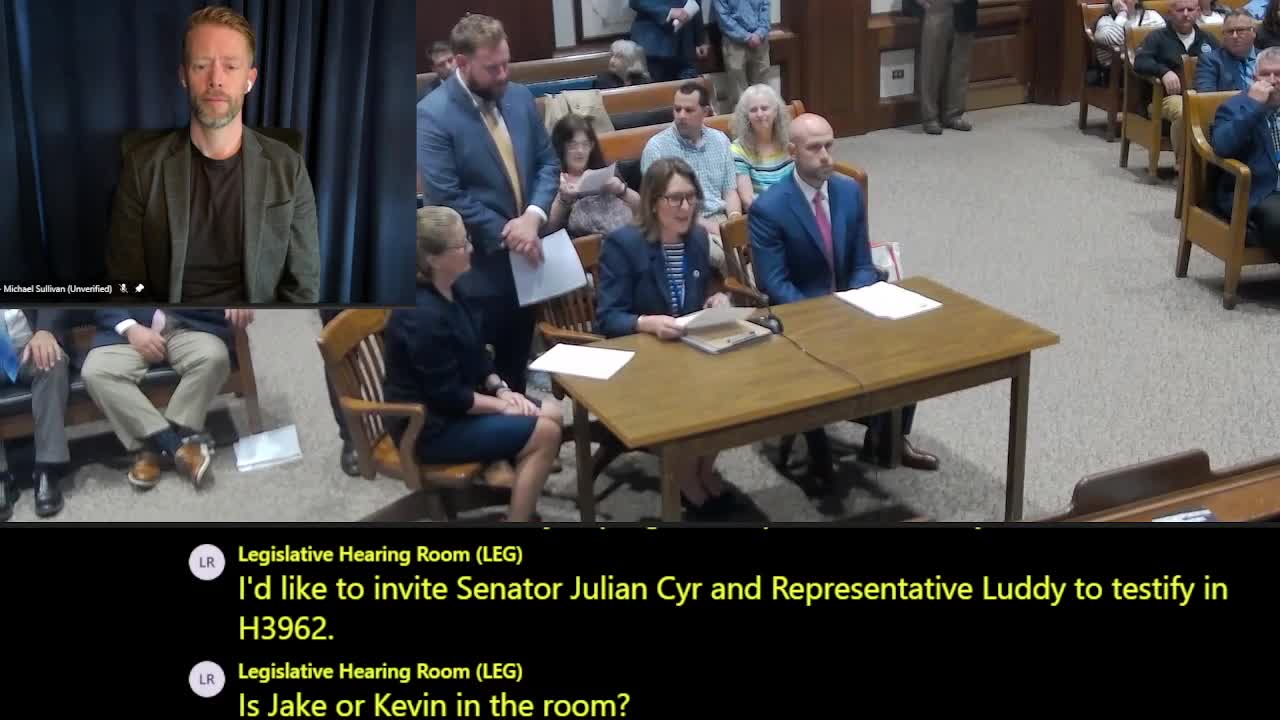
Representatives and family members on Wednesday urged the Joint Committee on Public Safety and Homeland Security to move the Maggie Hubbard Rental Safety Act after a fire killed Shannon Hubbard and her 1‑year‑old daughter Maggie June in a short‑term rental that investigators later found had no smoke detectors.
The bill, filed by Representative Hadley Luddy and Senator Cyr, would require short‑term rentals in Massachusetts that are not already covered by local fire codes to undergo an inspection for smoke and carbon monoxide detectors within one year before being listed for rent. It would also require platforms and listing agents to verify certification before publishing a listing.
"The Maggie Hubbard Rental Safety Act is in response to this unimaginable tragedy that was 100% preventable," Representative Hadley Luddy told the committee. She said the bill was prompted by widespread concern in rural and seasonal communities and by first responders and town officials who want statewide consistency.
John Hubbard, identified in testimony as a family member of the victims, described the night his wife and daughter died and urged lawmakers to act. "This was not a question of whether or not this will happen again, but when and how many lives were lost," he said during his testimony.
Family members and supporters told the committee that the rental listing had indicated working detectors; investigators later found none. Testimony said municipal registration and inspection requirements vary and that listing platforms often accept an owner’s checkbox attesting to compliance without further verification.
Supporters told the committee that the bill’s verification requirement is achievable and that municipalities and platforms already collect photographs and documents for listings. Representative Luddy and others urged the committee to require platforms such as Airbnb to require submission of an inspection certificate prior to listing.
The committee did not take a formal vote at the hearing. Lawmakers and family advocates requested the committee consider the bill swiftly so the legislation can reach enactment and prevent further deaths.
Family members asked the committee to hold the bill as simple, achievable public‑safety reform rather than a broad regulatory change. Representative Luddy said the plan would provide a consistent framework the Commonwealth could export to other states.
The testimony combined personal accounts, public‑safety arguments and implementation details for inspection timing and platform verification. Supporters emphasized that the bill would not replace local fire codes where those already apply, but would close gaps where listings advertise detectors that are absent.
Committee members thanked the families for testifying and asked staff to follow up on technical questions about enforcement and interaction with existing local inspections.